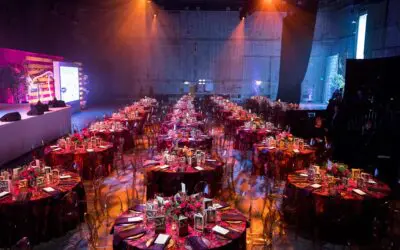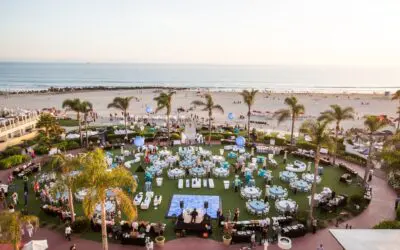
Mission Hills is a historic hillside neighborhood above Old Town, close to central San Diego, the airport, and several well-known parks and landmarks. If you’re planning an event here, you can choose from neighborhood parks, historic sites, dedicated event spaces, and nearby Old Town venues without sending guests across the city.
This guide covers venue types, permits, sound rules, alcohol considerations, weather, and practical logistics so you know what to confirm before you book. Whether you’re planning an outdoor ceremony, museum reception, corporate gathering, or private celebration, you’ll get recommended venues that also make for picture-perfect moments.
TL;DR
- Mission Hills offers historic charm near Old Town, parks, and skyline views, minutes from San Diego International Airport.
- Venue choices include Mission Hills Park/Pioneer Park, Presidio Park, Heritage County Park, the Junípero Serra Museum, Mission Hills Venue, and nearby restaurant or event spaces.
- Most rain falls in winter. Late spring through early fall is the driest and most reliable for outdoor events.
- Alcohol service at unlicensed venues typically runs through a caterer with a Type 58 permit and RBS-trained staff.
- Build in time for city or county permits, insurance, and accessibility. Lock dates 9–12 months in advance when possible.
Why Mission Hills Works For Events
Mission Hills sits just uphill from Old Town, with tree-lined streets, historic homes, local shops, and neighborhood parks. Its central location also keeps guests close to Downtown San Diego and San Diego International Airport.
From luxury event spaces to cozy, aesthetic venues, Mission Hills and the surrounding area offer plenty of options for hosting an event.
Top Venue Types in and Around Mission Hills
Start by deciding how much infrastructure you want the venue to provide. Parks offer flexibility, while museums, dedicated event spaces, and restaurants generally provide more built-in support.
Venue choice also affects your event photography team. Bauman Photographers has photographed events across San Diego since 2002, giving the team experience adapting coverage to different layouts, lighting conditions, guest counts, and timelines.
Parks and Outdoor Greens
Mission Hills Park, also known as Pioneer Park, sits at 1521 Washington Place in Mission Hills and can be permitted for weddings and picnics. The City currently lists capacity at 300, with only a small on-site parking lot plus street parking.
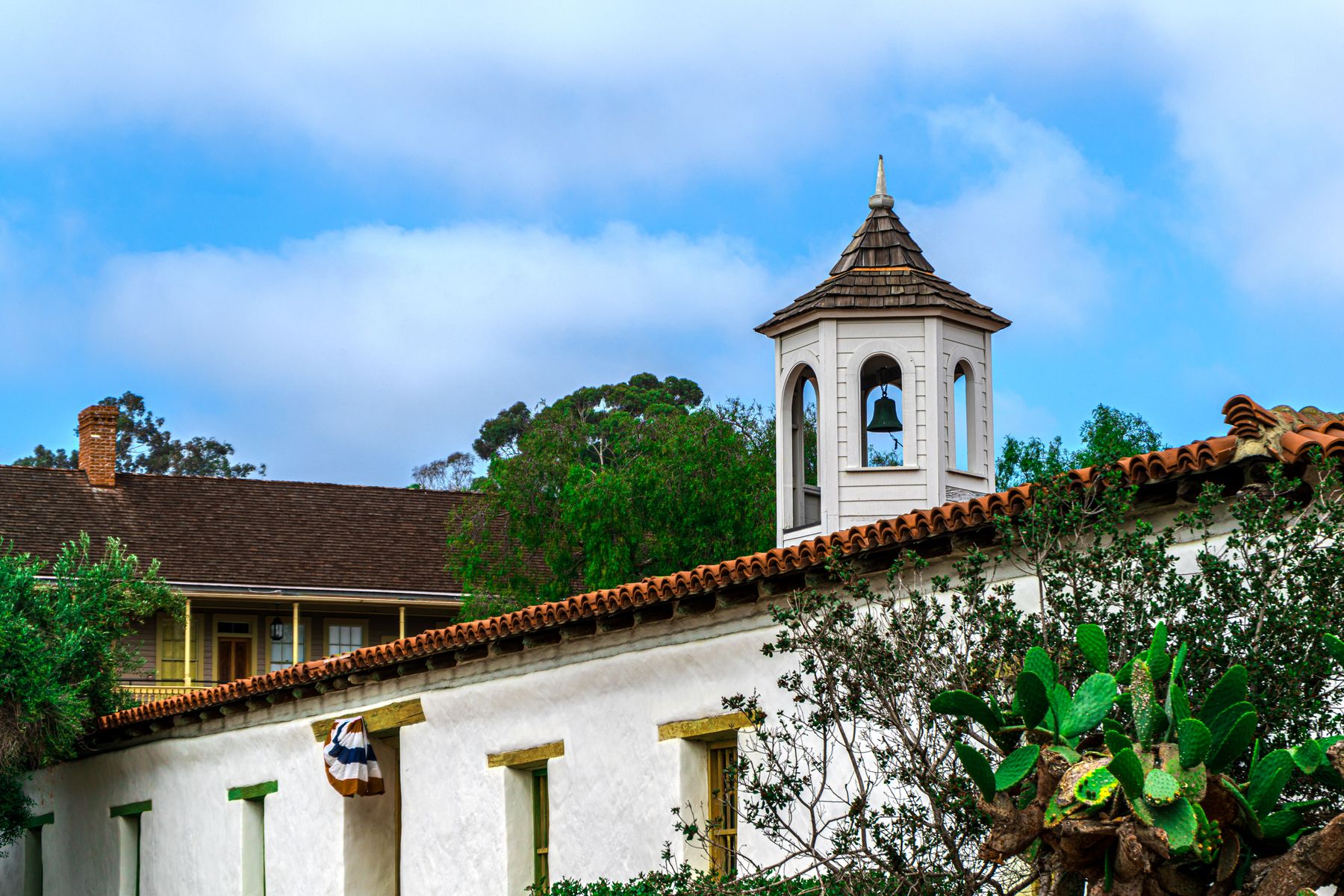
Presidio Park sits above Old Town, just south of Mission Hills, and offers several permitted ceremony sites with different capacities, parking conditions, and restroom access. Heritage County Park is adjacent to Old Town below Mission Hills and offers Victorian architecture, open lawns, a wedding gazebo, and historic Temple Beth Israel.
Outdoor parks are budget-friendly, flexible, and photogenic. Expect to manage permits, portable power, rentals, and sound levels.
Museums and Landmarks
The Junípero Serra Museum in Presidio Park offers an indoor gallery and outdoor terraces overlooking Old Town. Current event information lists capacity at 140 seated or 200 standing, and food, beverage, and bar service must use the History Center’s preferred caterers.
Museum venues bundle atmosphere, views, and basic infrastructure like power and restrooms.
Restaurants and Boutique Event Spaces
Restaurant buyouts and private rooms in Mission Hills, Hillcrest, and nearby Old Town work well for rehearsal dinners, team gatherings, milestone celebrations, and smaller receptions. They simplify food and beverage service, although capacity, sound rules, and event windows vary by property.
For instance, Mission Hills Venue at 1919 San Diego Avenue is a 3,600-square-foot private event space near Mission Hills and Old Town. It currently accommodates up to 150 seated or 200 standing guests.
The venue offers an open-vendor policy, plus parking, AV equipment, kitchen access, tables and chairs, and a 200-square-foot outdoor vendor area. Its indoor main space also provides more weather control than the nearby park options.
Quick Comparison of Venue Types in Mission Hills
Comparing capacity, sound rules, permit requirements, and weather options can help you rule out venues that don’t fit your plans. It also makes it easier to build a realistic event timeline before you start coordinating vendors.
| Factor | City/County Park | Museum/Landmark | Restaurant/Botique Event Spaces |
| Typical Capacity | Varies widely by reservable site; confirm the capacity of the specific lawn, ceremony area, or facility. | Small to medium; multiple spaces | Small to mid-size |
| Sound & Hours | Noise limits and park hours apply; some sites cap amplified sound | Venue sets timeline and sound policy within city rules | House rules; typically easiest sound control |
| Permitting Complexity | Park-use reservation and insurance; some sites require special event review | Venue agreement, day-of liability insurance, and San Diego History Center event policies. | Standard private event contract |
| Alcohol Service | Usually via licensed caterer; follow park alcohol rules | Food, beverage, and bar service must use the History Center’s preferred caterers. | On-site license; simpler guest experience |
| Weather Backup | You must plan tents or an alternate indoor space | Often has indoor galleries or covered areas | Indoors by default; patios as bonus |
Permits, Rules, and Quiet Hours to Know
Knowing the applicable permits, sound rules, and alcohol requirements ahead of time can help you avoid preventable problems on the day of your event.
Park Reservations and Special Events
Park-use reservations and Citywide Special Event Permits are separate processes. Presidio Park weddings require a park-use permit, while larger events using broader City property or citywide services may require additional approvals.
If a Citywide Special Event Permit applies, San Diego requires the application at least 60 days before the event and currently recommends submitting it at least 120 days ahead.
Insurance
Insurance requirements vary by venue and event type, so confirm them with the property before purchasing coverage. For example, private events at the Serra Museum require day-of liability insurance naming the History Center as an additional insured.
Noise
San Diego’s Noise Abatement and Control ordinance sets one-hour average limits by land use and time period. In practice, your permit and site rules control outdoor amplified sound. Heritage County Park, for example, allows recorded wedding music only if it doesn’t exceed 55 dB at the property line.
Alcohol
Alcohol requirements depend on the venue and how drinks are provided or sold. When an eligible licensed provider uses a Type 58 caterer’s permit off-site, California ABC authorization is required for each catered event. Type 58 licensees are also subject to California’s RBS requirements for alcohol servers and managers.
Fire, Safety, and Occupancy
In San Diego, an assembly space generally has an occupant load of 50 or more. The Community Risk Reduction Division monitors public assembly sites for overcrowding. Some outdoor events require a Fire-Rescue single-event permit.
If a venue changed use or expanded, it should have a current certificate of occupancy reflecting the approved load.
Weather and Timing
San Diego’s coastal climate is famously mild, but winter is wetter. Based on NOAA 1991–2020 normals at San Diego International Airport, most annual rainfall falls December through March, while late spring through early fall is driest.
That pattern makes May through October popular for outdoor ceremonies, with backup plans still wise for early May and late October.
Typical daytime temperatures are comfortable year-round, but marine layer clouds can linger in late spring mornings. For golden-hour photos, plan around the sunset time and allow light buffers if you are shooting in canyons or shaded lawns.
Logistics That Make or Break the Day
The way guests enter, gather, and move through the venue affects both the event experience and your photography timeline. Event photographers should understand that flow before the event so coverage can follow what’s happening rather than interrupt it.
For larger events or schedules with overlapping moments, Bauman Photographers can provide multiple photographers to cover details, guest interactions, speakers, and portraits happening at the same time.
- Access and parking: Neighborhood parks have limited parking. Consider a shuttle or rideshare drop-off at Old Town or along Presidio Drive, and confirm event load-in routes with the site manager.
- Accessibility: Accessibility requirements and practical access vary by venue. Before you finalize the layout, confirm accessible routes, restrooms, drop-off points, parking, and access around temporary stages, bars, or seating. Don’t assume every historic property is fully accessible.
- Rentals and power: Parks are mostly bring-your-own. Confirm power needs, ground protection, and site rules for stakes or generators.
- Timeline discipline: Align your timeline with posted park hours or venue contract windows. Buffer load-out so sound and lights go dark on time.
Budget Tips That Stretch
Whether it’s for a corporate holiday party or an intimate wedding celebration, prioritize site fees that include basics like restrooms, power, and security. In parks, plan for permits, insurance, rentals, delivery fees, and potential security.
Alcohol service is often administratively simpler when a licensed venue or approved caterer handles it. Costs vary by venue, staffing, minimums, and service model, so compare the full event quote rather than assuming one setup will be cheaper.
Keep amplification modest to avoid additional oversight or complaints and to preserve neighborhood goodwill.
Examples
The following examples come from events and portrait sessions photographed by Bauman Photographers in Presidio Park and nearby Old Town. They show how different settings can affect portraits, weather planning, and the overall flow of photography.
Portraits at Presidio Park
Bauman Photographers has photographed portrait sessions at Presidio Park, using its historic surroundings, greenery, and elevated setting to create a mix of backdrops within one location.
The variety of scenery makes it possible to capture several different looks without traveling far, which can be especially useful when portraits need to fit into a tight event timeline near Mission Hills.
Old Town Wedding at Cygnet Theatre
Bauman Photographers has also documented a wedding at Cygnet Theatre. The ceremony took place on the theater stage, using the production set as part of the backdrop, while cultural traditions and handmade details added more visual interest throughout the celebration.
Rain affected the beginning of the day, but the indoor setting provided a reliable main venue before conditions cleared for additional moments outside.
Actionable Steps / Checklist
A structured step-by-step checklist transforms complex permit rules and venue requirements into manageable tasks you can tick off with total peace of mind.
- Pick your venue type: Determine whether you want a park lawn, museum or landmark, dedicated event space, restaurant buyout, or boutique venue.
- Confirm availability: Hold a date. Ask about sound rules, hours, and load-in.
- Lock permits: Submit park or special event applications and secure insurance.
- Plan alcohol service: Confirm the venue’s current policy and whether service requires an approved caterer, Type 58 authorization, or another ABC-compliant setup.
- Map your layout: Check for accessible routes, power, rentals, shade, and photo spots.
- Build a realistic timeline: Create a timeline consisting of setup, ceremony, sunset portraits, and teardown before curfew.
- Prepare backups: Have a rain plan or indoor gallery ready; a wind plan for decor and sound.
- Communicate arrival: Share shuttle or rideshare details. Note parking limits.
- Walk the site: Do a final week check of signage, restrooms, lighting, and vendor access.
- Share your photography priorities: Identify the people, moments, details, speakers, and portraits that matter most to you so our photography team can build them naturally into the event timeline.
Glossary
These terms can help you understand venue requirements and ask clearer questions when coordinating with your planner, caterer, photographer, and other event vendors.
- RBS (Responsible Beverage Service): California’s required training and certification for on-premises alcohol servers and their managers.
- Type 58 Catering Authorization: ABC authorization that lets eligible licensees serve alcohol at approved off-site events.
- Certificate of Insurance (COI): Proof of liability coverage naming the city or county as additional insured for permitted park events.
- Assembly Occupancy: A space with an occupant load of 50 or more people, triggering specific fire and life-safety rules.
- Noise Ordinance One-Hour Average: The city’s method of measuring allowed sound levels over one hour by land use and time of day.
- Path of Travel: The accessible route to and from an altered or event area, including restrooms and entrances, required by the ADA.
- Special Event Permit: City process that reviews larger events for safety, traffic, and neighborhood impact on public property.
- Site Map: Official diagram showing approved ceremony sites and access points within a park.
FAQ
Q: How far in advance should I book?
A: For private venues, earlier is generally better for popular dates. Public parks have their own reservation windows, while a Citywide Special Event Permit, when required, has a 60-day minimum and is currently recommended at least 120 days ahead.
Q: Can I use amplified sound in a park?
A: Often yes, within limits defined by your permit and the city noise ordinance. Some county sites cap recorded music at low decibel levels at the property line.
Q: Can we serve alcohol at an outdoor park?
A: Only where the individual park’s rules allow it. Confirm the exact site’s alcohol policy before hiring bar service or assuming a Type 58 catering authorization will be permitted there.
Q: What months have the best weather?
A: Late spring through early fall is usually driest. Winter brings most of the rain, so have a weather backup if you book November through March.
Q: Do museums handle most logistics?
A: Museums often provide more infrastructure than parks, but inclusions vary. At the Serra Museum, the History Center offers specific rental inclusions and requires preferred caterers, but hosts still need to plan for accessibility, parking, sound, and event timing.
Final Thoughts
Mission Hills and the surrounding Old Town and Presidio area offer a useful mix of neighborhood parks, historic settings, private event spaces, and restaurant options in a compact part of central San Diego. Choose a venue based on your guest count, accessibility needs, weather plan, and event flow, then confirm current rules directly with the property.
Once you have chosen the venue and started building the timeline, Bauman Photographers can shape coverage around the space. This includes room and décor images, candid guest moments, group portraits, speakers, and multiple photographers when the schedule calls for simultaneous coverage.