A great shoot day feels smooth, focused, and productive. A mixed one can feel like rush-hour traffic. If your photography and video teams work separately, coordinating schedules, creative direction, lighting, and deliverables takes more planning.
Working with a coordinated photo and video team can simplify that process by giving your brand one production plan, one visual direction, and a clearer path from shoot day to final assets.
If your San Diego campaign needs both still photography and video, Bauman Photographers can help plan the shoot around the assets, locations, and formats your team needs from the start.
TL;DR
- One team aligns story, look, and lighting so your photos and videos feel like the same brand.
- Shared planning, crew resources, and compatible setups can reduce duplicated work and help keep the day organized.
- One coordinated production team can centralize communication around contracts, releases, and usage rights.
- Talent gets one set of directions, leading to stronger performances.
- Postproduction speeds up because the same plan covers footage and stills.
Why a Unified Team Works
When photographers and videographers work from the same creative plan, it becomes easier to coordinate the schedule, visual style, talent, and deliverables. For San Diego brands planning a commercial shoot, that’s especially useful when the day includes several locations, products, or content formats.
One Vision, One Plan
Photo and video have different needs, but your audience sees one campaign. When you hire an integrated team, you can build your photography and video needs into one creative brief, shot list, and production schedule.
The photography and video leads can coordinate composition, lighting, framing, and overall visual direction so the final assets feel like part of the same campaign. You leave with assets that feel cohesive across web, social, print, and ads.
Our photo and video team builds shoots around each client’s actual needs, so you can plan the required images, video content, locations, and final uses before production begins.
Faster Setups, Fewer Bottlenecks
Duplicate crews often duplicate setups. When the same lighting approach can serve both photography and video, the crew can adjust an existing setup instead of rebuilding the scene from scratch.
The same goes for sound. If your video includes interviews or dialogue, plan audio requirements early so microphone placement, room noise, and photography setups can work together.
For shoots that need a controlled indoor environment, our Mission Valley studio gives clients a dedicated San Diego space for photography and video without needing a separate studio rental.
Clear Direction for Talent
People do their best work when direction is simple. Our production team can establish one clear direction for talent so timing, performance notes, and continuity stay consistent throughout the shoot. Energy stays high, and you avoid competing priorities that can stall momentum.
Files, Formats, and Post That Just Work
Technical choices on set affect editing later. Photography and video require different camera settings, but both teams can work from shared color references, white-balance targets, and an agreed visual style. That gives the post-production team a clearer baseline for keeping your photography and video visually consistent.
Bauman Photographers also hand-edits and color-corrects final photography, with custom retouching available when a project needs more detailed post-production work.
Rights and Releases in One Place
Ownership of creative work is a legal detail you don’t want to guess at. In the U.S., copyright generally starts with the author unless it’s a work made for hire or transferred in writing.
When one production company coordinates the project, you can confirm releases, location permissions, and usage terms through a more centralized process, rather than managing separate requirements with multiple vendors. That reduces risk and makes reuse easier later.
One Team vs. Two Vendors: What Changes Most
Choosing an integrated photo and video workflow can reduce coordination across schedules, equipment setups, creative direction, and final deliverables.
| Factor | One Integrated Photo + Video Team | Separate Photo And Video Vendors |
| Creative Direction | Single vision across assets | Risk of mismatched look and story |
| Scheduling | One master call sheet and timeline | Separate schedules require coordination |
| Lighting & Sound | Shared setups optimized once | Teams may need separate setups |
| Talent Direction | One voice, clearer notes | Direction needs to be coordinated |
| Paperwork | One contract, unified releases | Two sets of terms and usage |
| Budget Control | Shared crew and gear reduce overlap | Some crew or equipment costs may overlap |
| Postproduction | Consistent color and metadata | Additional coordination may be needed to match styles |
Planning the Day the Smart Way
Thoughtful preparation brings calm to production day, allowing you to relax and focus on delivering genuine, confident performances.
Preproduction That Pays Off
Before your shoot, identify where each asset will be used, such as your website, paid ads, social channels, product pages, press materials, or print.
We can then build a combined shot list and schedule, grouping scenes by location and lighting needs where practical. You can also let us know early if your video requires interviews, testimonials, or other recorded dialogue so audio needs can be built into the production plan.
On-Set Workflow
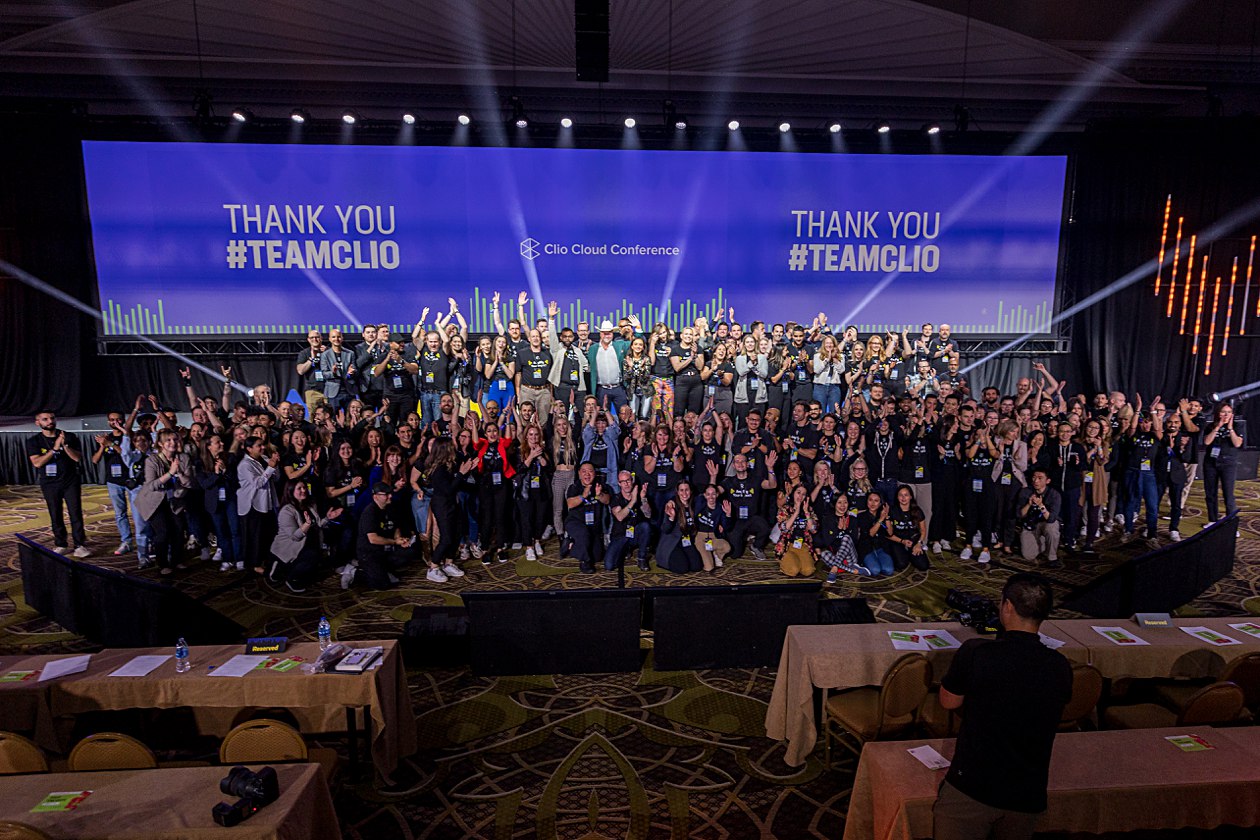
Your shooting order should reflect the deliverables that matter most to the campaign. Video may come first when dialogue or performance is the priority, while hero photography may come first when it establishes the campaign’s main visual direction.
A coordinated team can also capture supporting product details, environmental imagery, or b-roll during natural pauses such as wardrobe or makeup changes. Keep a shared monitor for clients. Everyone evaluates the same frame and signs off faster.
If client review is part of the shoot, a shared monitor makes it easier to review frames and approve key setups without interrupting the production flow.
Postproduction Handoff
Ask how your final files will be organized, delivered, and prepared for editing before the shoot begins. For video productions using multiple cameras or separate audio, the production team may also use timecode or slates to keep footage synchronized.
Our photography and video team can also share the visual references and production notes needed to maintain a consistent final look.
Risk and Quality Considerations
Good preproduction helps reduce preventable technical problems, inconsistent visuals, and production delays.
Will One Team Stretch Too Thin?
Not necessarily. What matters is whether the team is staffed appropriately for your project’s size and complexity. Photography and video may have separate specialists while still working from one shared creative and production plan.
On small shoots, roles can combine. On larger ones, they split. The point is shared planning, not asking one person to do two jobs at once.
Legal and Compliance Basics to Remember
Before production begins, make sure you understand where the finished content can be used, for how long, and whether any restrictions apply to talent, locations, or licensed material.
- Copyright and usage: Ask your production company to spell out who owns the work, what usage rights your business receives, and whether any licensing limits apply to stills or video.
- Model and location permissions: Confirm with your production team which releases or permissions are needed for recognizable people, private locations, artwork, trademarks, or other protected material.
- Endorsements and testimonials: If your campaign includes testimonials or product endorsements, make sure any required disclosures are included clearly in the final content.
Examples
If your project needs both photography and video, the workflow may vary by campaign type. These examples show how to coordinate the two.
Regional Healthcare Campaign
A regional clinic needed 6 testimonial videos and a photo library in one day. The integrated team scouted rooms for quiet HVAC, planned a soft key light that worked for film and portraits, and built a rotation: capture each patient’s video story first, then pivot to portraits with minor lighting tweaks.
Because creative and crew were shared, they finished on time with consistent backgrounds and color, and the marketing team launched web pages and social cutdowns from the same session.
Consumer Tech Product Launch
A startup had a tight budget and a 10-hour window in a rented home. One team created a style guide, then lit the kitchen for the hero demo video and shot beauty stills of the device during audio setups.
While the director captured scripted lines, the photographer grabbed lifestyle moments from off-angles. Using the same visual references made it easier to maintain a consistent look across the final photography and video, and the brand shipped product pages and pre-roll ads the next week.
Actionable Steps / Checklist
A practical production checklist helps you prepare for your shoot with confidence and ease.
- Define success, whether that means listing the top 3 video beats and top 5 stills you must leave with.
- Identify who on your team has final approval on creative decisions and who should be included in shoot-day reviews.
- Confirm delivery specs early, including photography resolution and orientation, plus the frame rate, resolution, and aspect ratios required for video.
- Tell the production team if interviews, testimonials, or dialogue are part of the shoot so the appropriate audio setup can be planned.
- Review the call sheet and shot list before shoot day so your team understands the schedule, locations, and priority deliverables.
- Confirm releases, including model, property, and location. Align copyright and license terms in one contract.
- Confirm how you’ll back up, organize, and deliver files after the shoot.
- Decide who will review key shots on set and how approvals will be handled without slowing production.
- Build buffer time around wardrobe changes, lighting adjustments, approvals, equipment moves, and travel between locations.
Glossary
Understanding a few common production terms can make it easier to follow the planning process and communicate with your photography and video team.
- B-roll: Supplemental video that supports the main story, like cutaways and details.
- Call Sheet: The daily plan with who, where, and when for the shoot.
- LUT (Look-Up Table): A color preset that guides the look during monitoring and grading.
- Timecode: A running clock embedded in files to sync cameras and audio.
- Gaffer: The lighting lead who designs and manages all lights on set.
- Work Made For Hire: A legal category where the employer or commissioning party is considered the author if specific criteria are met.
- Model Release: A signed permission from a person allowing you to use their likeness in your media.
- Double-System Sound: Recording audio on a separate device for higher quality, then syncing in post.

FAQ
Q: What if I already booked a photographer?
A: Let both teams know as early as possible that they will be sharing the shoot day. Ask them to coordinate the schedule, visual direction, lighting needs, and priority shots before production begins.
Q: Does one team mean I sacrifice quality?
A: Not necessarily. The key is matching the crew to the project scope so photography and video each get the expertise they need while still following the same creative plan.
Q: Will this actually save money?
A: It can reduce some duplicated setup, travel, rental, or production costs, but the actual savings depend on the scope of the shoot. For many brands, the bigger advantage is having photography and video planned around the same campaign instead of treating them as separate projects.
Q: How do rights and usage work?
A: Your agreement should explain who owns the final work, where your business can use it, how long those rights last, and whether any restrictions apply to photography or video.
Q: What if we need testimonials?
A: Our photography and videography team can capture them with clear, truthful claims and include proper disclosures in the final ads when there is a material connection, per FTC guidance.
Final Thoughts
Planning photography and video together can give your brand a more consistent visual library while simplifying decisions before and during the shoot. The right approach depends on your campaign, locations, talent, and the channels where the content will appear.
For San Diego brands, Bauman Photographers can help plan a commercial shoot around those real-world needs, whether the project takes place at our studio or on location. The goal is to build the photography and supporting content your team can actually use across its marketing.