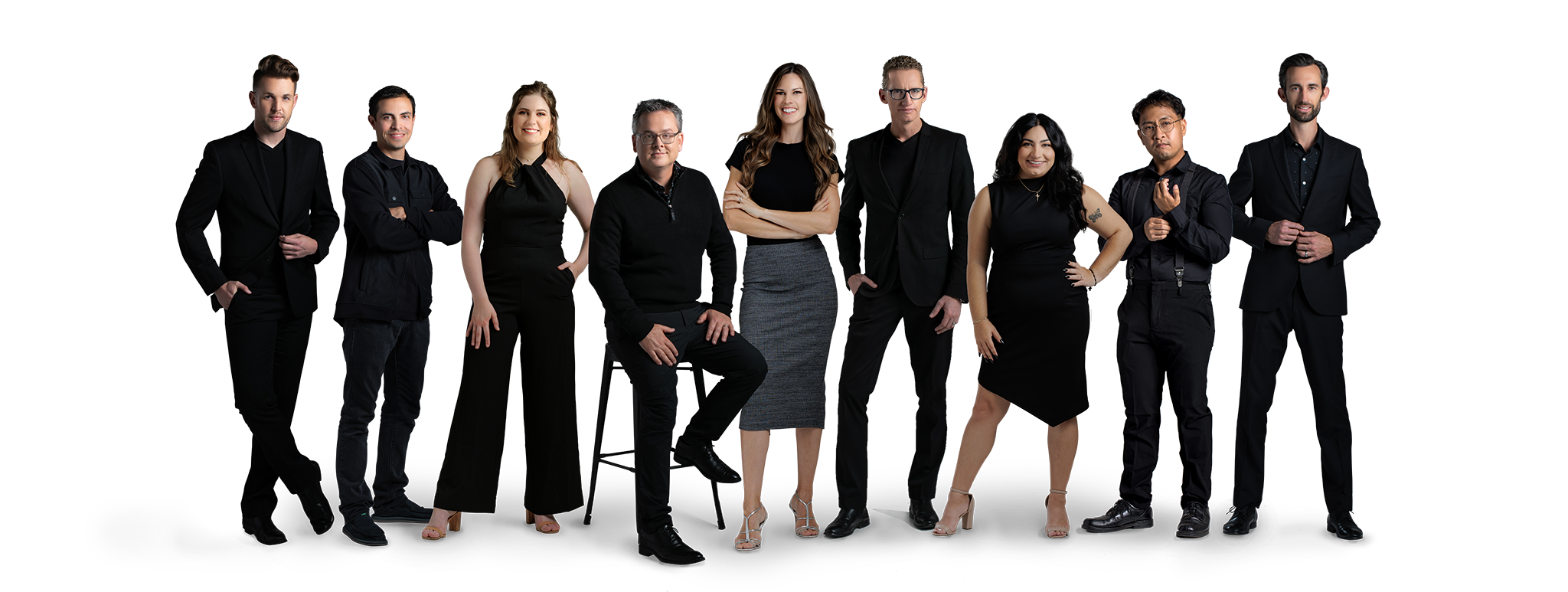
Brand visuals shape how people feel about you before they read a word. Photos and videos do that job differently. One freezes a moment. The other shows change over time.
Choosing between photography and video affects your budget, production timeline, and the types of marketing assets you can create. Here’s how to decide which format, or combination, best supports what your audience needs to see and understand.
Bauman Photographers can build the production around those needs, whether that means a cohesive photography library, a commercial video, or both. Our team can coordinate the creative direction, shoot, and final deliverables so your visual assets feel consistent across the campaign.

TL;DR
- Use photography to build recognizability fast across your site, ads, and profiles.
- Use video to explain, demonstrate, or evoke emotion when motion and voice add meaning.
- Photography and video can work well together when you need both a versatile image library and content that benefits from movement, sound, or explanation.
- Start with the format that solves your biggest bottleneck, then layer in the other.
What Branding Photography Does Best
Branding photography gives you a coordinated library of images showing your people, products, services, and brand personality. You can use those assets across your website, social media, advertising, PR, sales materials, and other marketing channels. Strong photos make you look established and trustworthy.
Well-optimized photos load efficiently and are easy to resize, crop, and repurpose for different marketing placements. One well-planned shoot can produce headshots, environmental portraits, product images, lifestyle scenes, and wider compositions with room for marketing copy.
When you publish those images online, add appropriate alt text to meaningful images so screen readers can convey their purpose and search engines have additional context.
What Branding Video Does Best
Branding video adds motion, voice, and timing. It shows how a product works, how a service feels, and what your team believes. Formats include explainers, testimonials, behind-the-scenes clips, and short social reels.
Video may be the better format when your audience needs to see a process unfold, hear someone speak, watch a demonstration, or understand information that is hard to communicate in one frame.
Our commercial video projects can cover the full process from creative planning and scripting through filming, editing, revisions, and final delivery. Clients can bring us a finished script or work with our team to develop one around their goals and creative direction.
If video is part of your campaign, plan for accurate captions and appropriate on-screen text before publishing. Captions improve accessibility and help viewers follow the content when they watch without sound. For search, host or embed videos in ways that let search engines find and index them, and supply titles, descriptions, and structured data.
Cost, Speed, and Fit at a Glance
This section breaks down how production timelines, budgets, and marketing goals align across media formats so brands can spend wisely. Before you book a production, think about how many assets you need, where they will appear, and whether your message requires movement or spoken explanation.
| Goal Or Constraint | Choose Photography When | Choose Video When | What To Watch |
| Awareness & Consistency | You need a visual library for site, ads, and PR quickly | You need a memorable story or founder pitch | Keep visual style consistent across formats |
| Education & Proof | Simple features can be shown in one frame | A process, transformation, or testimonial matters | Script tight messages; show, then tell |
| Timeline & Budget | You need a broad library of individual still assets from one production | You can focus resources on a few high-impact pieces | Ask how pre-production will cover your required shots, locations, talent, and deliverables before shoot day |
| Repurposing | You want many crops and variations | You want cutdowns for social, site, and ads | Tell your creative team which platforms and placements you need so they can plan the necessary framing and crops |
| Accessibility & Compliance | Need appropriate accessibility treatment, and you have secured the necessary usage permissions | Plan for captions, accessibility, talent permissions, music licensing, or endorsement disclosures when applicable | Treat accessibility, talent releases, copyright, licensing, and advertising disclosures as separate requirements |
| Legal & Licensing | People are identifiable, and you have releases | You plan to use music, voice talent, or user endorsements | License music; disclose material connections in testimonials |
How to Choose: A Simple Decision Path
Start with your biggest bottleneck. If your brand lacks a consistent visual library, photography is often the practical place to start. Updated headshots, team imagery, product photos, and lifestyle images can give you reusable assets for your website, sales materials, PR, advertising, and social channels.
If prospects understand who you are but still struggle to understand what you do, video may deserve priority. An explainer, demonstration, or customer interview can show information that is difficult to communicate through still imagery alone.
Our branding photography team can map those needs into one branding shoot, including creative planning and a mix of studio or location imagery based on where you intend to use the final photos.
When You Only Need Photography
Focusing solely on still imagery offers a fast, versatile way to refresh a brand identity and build a cohesive asset catalog.
- You’re launching or rebranding and lack a flexible image library.
- Your product or service is easy to grasp without motion.
- You need many assets across web, directories, and ads on a tight timeline.
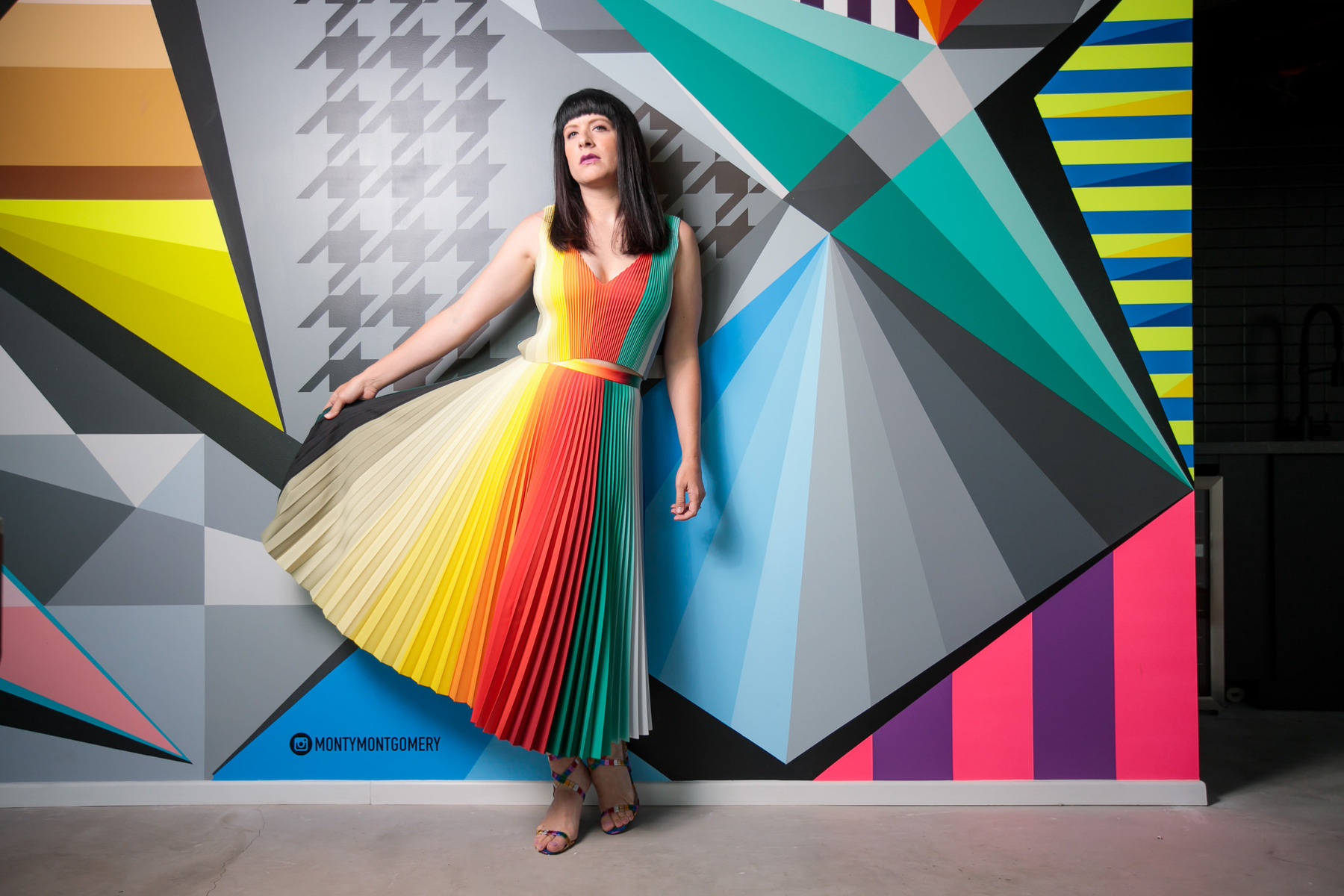
When You Only Need Video
Video shines when a business relies on emotion, movement, or complex demonstrations to convey its true value proposition.
- Your value hinges on movement, transformation, or voice.
- Your customers repeatedly ask how your product, service, or process works.
- Testimonials or founder messages would build trust faster than copy.
When You Need Both
Using photography and video together can give you more flexibility when a campaign needs both standalone visual assets and content that benefits from motion or sound.
- You run campaigns across several formats and need both still and motion assets to test across websites, social media, email, and advertising.
- You sell a tactile product. Pair crisp product stills with short demos.
- You’re building thought leadership. Photos brand the platform. Videos carry the argument.
You can also produce both during the same project. We offer photography and video under one roof, so they can share a shoot day, creative direction, locations, and visual style instead of being treated as separate productions.
File Specs and Platform Tips That Matter
Technical details like aspect ratios, safe zones, and accessibility standards make media look flawless across every digital screen.
- Tell your photographer where the images will appear before the shoot. Your shot list may need horizontal, vertical, square, tightly cropped, and wide compositions with room for headlines or other design elements.
- Tell your photographer which images will need headlines, buttons, or other design elements so you can build in enough negative space.
- Add alt text to images that describes function, not just appearance. Example: “Stainless travel mug with leakproof lid on desk” beats “mug.”
- Caption videos accurately. Review auto-captions for errors and fix names, jargon, and numbers.
- If your wider campaign uses music, stock assets, or outside talent, confirm that your team has the appropriate licenses and permissions for the intended uses.
Decide early whether your concept needs a controlled studio setting or a real-world location. Our studio includes a 20-by-30-foot white cyclorama for everything from a clean, minimal backdrop to a fully designed set, and we can also produce commercial photo and video projects on location.
Examples
These scenarios show how businesses might divide photography and video roles based on what they need their audience to see and understand.
Regional Fitness Studio
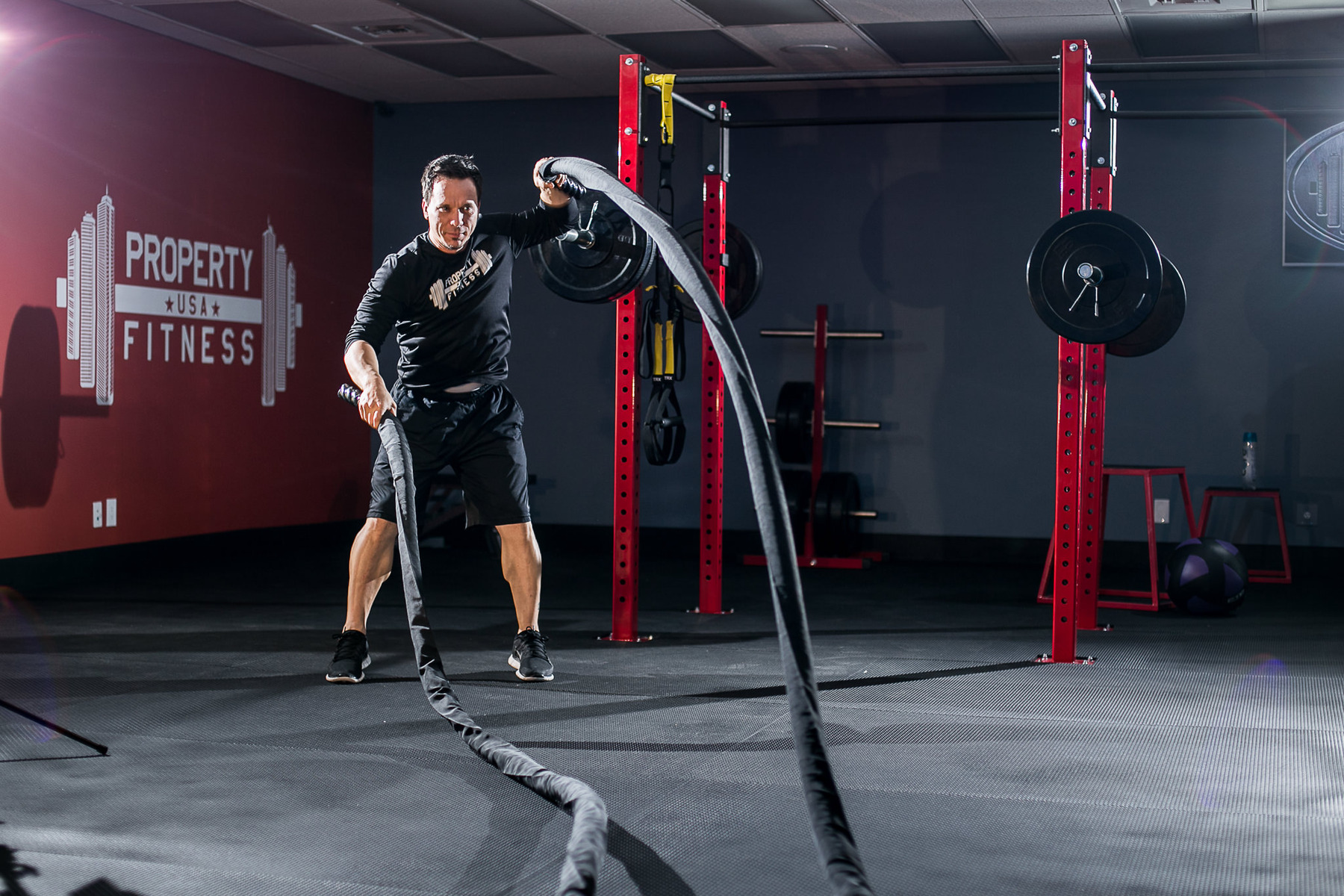
A regional studio planned a spring membership push. They led with photography: instructor portraits, energetic class stills, and facility images for the website, map listings, and direct mail. Two weeks later, they added a 45-second montage with captions showing check-in to cool-down, plus three 10-second vertical cutdowns for social ads.
The still images would provide reusable assets for the studio’s website, listings, print materials, and social posts. At the same time, the video could show prospective members what moving through a class actually feels like.
B2B SaaS Startup
A SaaS team had a clear brand but high demo drop-off. They created one 60-second product walkthrough with callouts that showed the three actions users must take to see value. They also shot a half-day of photos for the homepage, pricing page, and media kit.
The photography would refresh the company’s visual identity across its website and sales materials. Meanwhile, the walkthrough would handle information that is easier to demonstrate in sequence.
Actionable Steps / Checklist
Before you brief a photographer or video team, use this checklist to clarify what your business needs from the production and where you’ll use the finished assets.
- Define one primary goal, whether it’s awareness, education, trust, or conversion.
- Audit your current images and note which website pages, social channels, ads, presentations, or PR materials need new visuals.
- Pick formats that match your goal, like photos for breadth and video for depth.
- Identify the 2 or 3 messages you want your audience to take away from the finished content.
- Build your photography shot list around those placements. For video, decide whether you’ll provide a script or want the production team to help develop one, then gather logos, brand colors, visual references, and examples of the editing style you have in mind.
- Confirm with your production team who will handle talent releases and permissions for any private locations used during the shoot.
- Confirm licenses for music, fonts, and stock. Keep proof in your files.
- Share your required website, social, advertising, and print placements before the shoot so the photographer can plan the appropriate framing.
- If you need photography and video on the same production day, tell the team during pre-production so each format gets dedicated shot time while still sharing locations, styling, talent, and overall creative direction.
- Publish with alt text, captions, and clear CTAs. Test thumbnails and titles.
Glossary
Clear terminology helps business owners make informed decisions when collaborating with professional creative crews.
- Alt Text: Short text that describes an image for screen readers and search engines.
- B-Roll: Supplemental footage that adds context and covers edits in video.
- Captions: On-screen text that shows spoken words and key sounds in a video.
- Call to Action (CTA): A prompt that tells viewers what to do next.
- Model Release: A signed permission form from a person shown in your media.
- Right of Publicity: A state-level right that controls commercial use of someone’s name, image, or likeness.
- Fair Use: A legal doctrine that allows limited use of copyrighted works without permission in certain circumstances.
- Structured Data: Code that helps search engines understand and feature your content.
FAQ
Q: Is Video Or Photography Better For SEO?
A: Both can help. Use alt text and descriptive filenames for images. For video, make it discoverable with titles, descriptions, transcripts or captions, and technical markup that allows indexing.
Q: Do I Need To Caption My Videos?
A: Yes. Accurate captions improve accessibility and user experience, and federal guidance highlights the need for synchronized, accurate captions on web video.
Q: Can I Use Any Background Music In My Video?
A: No. You need permission or a proper license unless the work is in the public domain or your use falls under a legal exception. There’s no safe minimum amount you can use without permission.
Q: Do I Need Model Releases For Photos And Videos?
A: For commercial or promotional imagery featuring identifiable people, make appropriate talent permissions part of your production planning. Exact legal requirements depend on the jurisdiction, intended use, and circumstances.
Q: What If Influencers Or Customers Appear In My Videos?
A: Follow the FTC endorsement rules. Disclose any material connections clearly and conspicuously, and make sure endorsements are honest and not misleading.
Final Thoughts
You don’t have to choose one format forever. Start with the medium that communicates what your audience needs now, then add the other when movement, voice, or additional visual assets serve a clear purpose.
Whether your project calls for a flexible photography library, a video that brings the story to life, or both, Bauman Photographers can plan the production around the people, products, locations, deliverables, and marketing placements your business actually needs.
Based in San Diego, our team produces photography and commercial video from our Mission Valley studio and on location throughout Southern California, including projects in Orange County, Los Angeles, and beyond.