Choosing between a studio session and an on-location product shoot can shape the look, workflow, and performance of your campaign. Each path affects how your brand feels, how quickly your team can move, and how useful the final images are across e-commerce, ads, email, print, and social.
This guide breaks down their distinct elements and trade-offs. You will learn how we book the shoot, what gear we use, and how our professional photography team keeps color, consistency, and costs under control.
TL;DR
- Studio shoots are often best for control, repeatability, and speed when you need high-volume catalog images or a strict brand look.
- On-location shoots can add context, lifestyle energy, and a more real-world feel for ads, social content, and brand storytelling.
- Color management and consistent lighting matter just as much as the backdrop, especially when customers rely on product images to compare colors, textures, and details online.
- Access, releases, permits, power, and weather are the big on-location variables; plan them early so the shoot stays focused on the product.
- Mix both by building a studio baseline, then layering in location stories for ads and social.
How to Choose the Right Setting
Deciding where to photograph your merchandise shapes how consumers perceive your brand’s quality and lifestyle appeal. This overview simplifies the decision process by weighing what matters most for your specific campaign goals, whether you need crisp catalog imagery or contextual storytelling.
Bauman Photographers helps brands choose the right mix of editorial, e-commerce, and lifestyle product photography. That covers whether you need a controlled studio setup in San Diego, a styled product scene, or location scouting for imagery that fits the brand’s real-world use.
What Studio Shoots Do Best
In a studio, our photographers control the light, reflections, backgrounds, color environment, pace, and product handling. With consistent lighting and a color-managed workflow, product colors can stay more consistent across SKUs, helping shoppers compare options with greater confidence.
We tether to a laptop for live review, test multiple angles or backgrounds, swap modifiers quickly, and keep a steady cadence for large catalogs or ongoing product lines. Technical terms you will often encounter:
- Strobe: A flash that fires a quick burst of light.
- Continuous light: Always-on light that shows you shadows in real time.
- White balance: The camera setting that makes whites look neutral under a given light.
- Color management: The process of keeping colors accurate from capture to web or print.
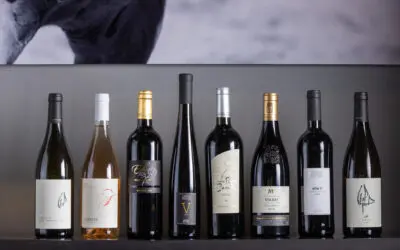
Studios also shine for small reflective items like cosmetics and electronics. We can flag stray reflections with black cards, use scrims and diffusers to soften highlights, and build a repeatable lighting recipe for every product family.
Does your brand have a growing catalog? Our studio workflow is especially useful because products can be photographed on clean backdrops, reviewed for angles and consistency, retouched, sized, and delivered for online stores, Amazon listings, print materials, and future product launches.
What On-Location Shoots Do Best
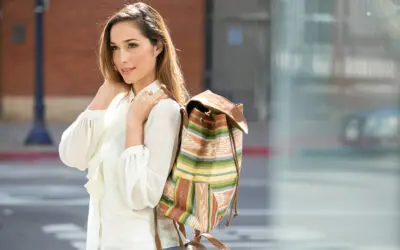
On-location images help tell the product’s story in a setting your customers recognize. They show scale, real use, and lifestyle context that may feel more natural than a studio setup, while studio shoots can still create styled editorial scenes with the right props, surfaces, models, and backgrounds.
Natural textures, architecture, and people can make the product feel more relatable, especially when the setting reflects how customers would actually use it. However, weather, power, ambient color casts, and bystanders add variables.
Teams also need to check permits, registrations, and venue rules early, especially for parks, managed spaces, private venues, beaches, rooftops, and public-facing locations in San Diego. Additionally, we need to obtain model or property releases when identifiable people or private locations are part of the commercial image use.
Our photographers pack light stands, sandbags, a compact strobe or powerful LED, spare batteries, and gaffer tape. We scout at the same time of day as your shoot to check sun angle, reflections, and power access. We also have a rain plan and a tight shot list so you can pivot fast.
When the setting matters, we can help scout locations, source props or models, and plan scenes that show how the product fits into a real San Diego lifestyle without losing sight of the product details customers need to see.
Comparing Production Variables: Studio Photography vs On-Location Product Shoots
A side-by-side comparison reveals the operational differences, from lighting predictability to logistical details, that impact your timeline and budget.
| Factor | Studio | On-Location |
| Control of Light | Total control | Varies with the environment |
| Consistency for Catalogs | Excellent | Harder without a strict workflow |
| Creative Context | Clean and controlled; styling can add context | Strong real-world or lifestyle story |
| Reflections/Glare | Easier to tame | Often trickier |
| Setup/Speed | Fast, repeatable | Slower, more logistics |
| Cost Predictability | High | Can shift with permits/travel |
| Power & Weather | Controlled indoors; backups still help | Must plan around weather, batteries, power access, and backup locations |
| Permits/Releases | Usually simpler; still needed for models, distinctive props, artwork, or licensed set pieces | More common; it depends on location, crew size, people, property, and usage |
| Color Accuracy | Straightforward with profiles | Requires extra checks |
| Team Comfort | Controlled, quiet | Dynamic, real-world |
Lighting, Color, and Consistency That Support Better Product Decisions
Strong technical choices help your merchandise look as accurate and consistent as possible across common screens. However, no workflow can guarantee an exact match on every customer’s device or in every real-world lighting condition.
Nail Lighting First
Good product photography is mostly about lighting. In the studio, most photographers start with one key light, add fill to control contrast, and use a rim or top light to separate shiny edges.
On location, photographers begin with the sun or ambient as their base, then add a strobe or LED to lift shadows by 0.5 to 1 stop. We aim for soft, broad sources on reflective surfaces to create clean gradients rather than hot spots.
Keep Color Honest
Accurate color builds trust, especially for apparel, paint, makeup, and home goods. Most photography teams use a color checker at the start of each setup.
We calibrate our monitor and export in the profile your platform expects, typically sRGB for the web. That reduces unwanted shifts in reds, skin tones, neutrals, and brand colors across common web and mobile viewing conditions.
Control Reflections on Shiny Products
For glass, metal, and glossy plastics, the shape of light matters more than brightness. Large diffusers and scrims create smooth highlights, whereas flags and negative fill deepen edges, adding contrast.
In studios, photographers can build repeatable tents and gradients. On location, we use a collapsible diffuser and black foam core to shape light quickly.
Cost, Logistics, and Legal Considerations
Behind every iconic image is a budget and a plan that keeps the production moving forward smoothly without sudden financial surprises.
Budget and Timeline
Studios save time when you have many SKUs or strict deadlines. You can leave sets pre-built, shoot tethered for approvals, and keep a steady throughput.
Location shoots add travel, permits, scouting, and backup plans. If your brief needs lifestyle content, the added planning can be worthwhile, as the images may serve multiple channels, including ads, social, email, landing pages, and print pieces.
Releases, Permits, and Access
Securing the right paperwork helps reduce usage risk and keeps the crew from being interrupted while working in public, managed, or private spaces.
- Model and property releases: Get signed permission when identifiable people, private spaces, distinctive venues, or controlled interiors are part of the image, especially for commercial use. Keep clear records and store PDFs with your image files.
- Public lands and managed spaces: Permit rules vary by jurisdiction, crew size, equipment, site impact, and whether the shoot needs exclusive access. Some low-impact federal park and forest shoots may not require a permit. Still, city, county, state, venue, and private-property rules can differ, so check the specific location early and keep written approval with the production files.
- Private venues: Secure written location agreements that cover access times, power, parking, and any restrictions on stands or adhesives.
Workflow and SEO Hand-Off
We can deliver a balanced image set, including clean product listings for packshots, styled editorial images for brand pages, and lifestyle selects for ads, email, and social.
Most photographers name files descriptively, add alt text that describes the product and key attributes, and include structured data where appropriate. Consistent naming helps your team find assets, while accurate alt text improves accessibility and image SEO.
When to Choose Studio, Location, or Both
Different campaigns demand different environments, meaning some products shine under controlled studio lights. Others benefit from real-world context, whether that’s a home, storefront, workspace, coastal setting, or another San Diego-area location that fits the brand.
Recognizing when to lean into a single environment or combine both helps you maximize your marketing assets across every platform.
Pick studio if:
- You need dozens or hundreds of consistent product angles, with color carefully managed across the full line.
- The items are reflective, small, or require composites and focus stacking.
- You need live review, fast approvals, and a repeatable setup for multiple products or future product drops.
Opt for on-location if:
- The story, setting, or real-world use helps explain the benefit, not just the object.
- Scale or real-world use would answer customer questions.
- You need ads and social content that feel lived-in and relatable.
For a mix of both worlds: Shoot baseline studio images for listings, catalogs, and comparison shopping. Then capture a smaller set of styled or on-location lifestyle scenes for ads, email, social, and hero banners. The studio images support clarity and consistency, while the lifestyle images add context and brand story.
We can provide a workflow that starts in the studio with white-background e-commerce images, close-ups, and functional angles. Our photographers can then shift to editorial or lifestyle scenes using props, models, or scouted locations for the images that need more personality.
Examples
Take a look at how other brands combine different environments to get concrete inspiration for structuring your own upcoming creative campaigns.
A Direct-to-Consumer Skincare Brand
A startup needs 60 SKUs photographed from four angles each. They book a two-day studio session with one key light, two large diffusers, and flags to sculpt shiny bottles. Tethered capture speeds approvals while a color checker and calibrated monitor keep tones consistent across shades.
A week later, they add a half-day beach shoot for three hero products to show morning routines, using a battery strobe to balance the sun. The site uses the studio shots for product pages and the beach images for ads and email.
An Outdoor Furniture Launch
A furniture retailer wants to show weather resistance and comfort. The team scouts a modern rooftop with south light and secures a location agreement. They schedule for late afternoon, bring sandbags and portable power, and shoot lifestyle scenes with people, which require model releases.
Two days later, they shoot studio vignettes of materials and joinery for the catalog. The campaign blends aspirational location imagery with crisp studio details, increasing time on page and reducing product returns.
Actionable Steps / Checklist
A structured preparation routine transforms a complex production into an organized, stress-free creative session for your team.
- Define the goal: Conversion-focused catalog, story-driven ads, or both.
- Lock specs: Angles, backgrounds, aspect ratios, and file profiles (usually sRGB).
- Choose setting: Studio for control, volume, and repeatability; location for context, scale, and real-world use.
- Scout or prelight: Test light at the right time of day; build repeatable studio sets.
- Prepare legal: Secure model releases, property releases, location agreements, and any required permits or registrations.
- Plan power: Outlets, circuits, and backups in the studio; batteries, charging plans, or approved quiet generators on location.
- Control color: Use a color checker, calibrate monitors, and keep a color-managed workflow.
- Tether and review: Catch issues in real time, track the shot list, and tag selects.
- Finalize assets: Descriptive filenames, accurate alt text, and variants for web and print.
- Archive smart: Store RAWs, sidecars, releases, and permits together.
Glossary
Familiar terms and industry vocabulary help bridge the gap between your creative vision and the technical execution on set.
- Studio Lighting: Controlled artificial lighting setup using strobes or continuous lights to shape shadows and highlights.
- On-Location Shoot: A session at a real-world site outside a studio, such as a home, store, or outdoor space.
- Strobe: A flash unit that emits a short, bright burst of light to freeze motion.
- Diffuser/Scrim: A translucent material that softens light and reduces harsh reflections.
- White Balance: A camera setting that neutralizes color casts so whites look truly white.
- Color Management: The system of profiles and calibration that keeps colors consistent across the camera, monitor, and output.
- Model Release: A signed permission form from the person in the photos authorizing commercial use.
- Property Release/Location Agreement: Written permission from a property owner or venue that allows images of a private, controlled, or distinctive location to be used commercially. Requirements vary by location, usage, and recognizability.
FAQ
Q: Do I always need permits for on-location product shoots?
A: Not always. Requirements depend on the location, jurisdiction, crew size, equipment, exclusivity, and site impact. Some low-impact federal public-land shoots may not require a permit. In contrast, city, county, state, venue, and private-property locations may still require registration, approval, fees, or proof of insurance.
Q: What color profile should I export for e-commerce?
A: Use sRGB unless your platform or printer specifies otherwise. It’s the safest default for most web and e-commerce uses. Despite that, color still depends on lighting, editing, display settings, and each customer’s device.
Q: Are studio photos better for SEO than lifestyle photos?
A: Neither wins by default. SEO benefits come from good file names, alt text, and fast loading. You can use both styles to serve different user needs.
Q: How do I stop glare on glossy packaging?
A: Use larger, softer light sources, add black flags to define edges, and adjust angles until highlights form smooth gradients.
Q: Can I mix daylight and flash on location?
A: Yes. Set white balance to match your dominant light, gel lights if needed, and test a gray card to keep skin tones and product colors accurate.
Final Thoughts
You don’t have to choose one forever. Use the studio to build a clean, conversion-focused foundation, then take select products on location to tell richer stories. With a color-managed workflow, clear usage paperwork, thoughtful styling, and a tight production plan, your images can look more consistent, feel more intentional, and work across more of your brand’s marketing channels.
If you’re unsure which approach fits your product line, start by sorting the images by job type: comparison, detail, scale, usage, and brand-story. Our professional photographers can recommend shots that belong in the studio, on location, or can be handled through styling, retouching, or composites. When planning your next shoot, comparing lifestyle product photography vs studio product photography can help you choose the right approach for your brand.