Commercial and brand photography sound similar, but they solve different marketing problems. Commercial photography supports a specific offer, campaign, product, or sales channel. Brand photography builds a recognizable visual identity that earns trust over time.
Knowing which one you need helps you plan the right shoot, budget, usage rights, and deliverables before production starts. If you run a business, lead marketing, manage e-commerce, or oversee visuals, this guide provides clear definitions, practical distinctions, legal guardrails, and simple steps for effectively briefing a photographer.
You will also see realistic examples that show how teams can blend brand libraries, product images, campaign assets, headshots, and editorial-style visuals without making every shoot feel disconnected. Pick your path below, then use the checklist to move from idea to approved images with confidence.
TL;DR
- Commercial photography promotes a product, service, offer, or campaign. Brand photography communicates your personality, values, team, and visual identity across touchpoints.
- Ads, e-commerce listings, product pages, print campaigns, and promotions typically require commercial images.
- Websites, about pages, team profiles, PR kits, sales decks, recruiting materials, and social templates benefit from brand images.
- Releases and clearances matter more for commercial use.
- Plan model and property releases, and be careful with third‑party logos.
- Combine both by building a long‑lived brand library, then creating conversion‑focused commercial sets for each campaign.
What Each Term Really Means
Commercial photography is imagery created to promote, advertise, or sell a specific product or service. Think product hero shots, conversion‑driven lifestyle scenes, banners, billboards, and sponsored social posts.
These images support a defined offer, audience, and KPI such as clicks, leads, or sales. For product-driven businesses, that could mean clean e-commerce images, Amazon listing angles, lifestyle product scenes, print advertising, or custom campaign visuals built around a launch.
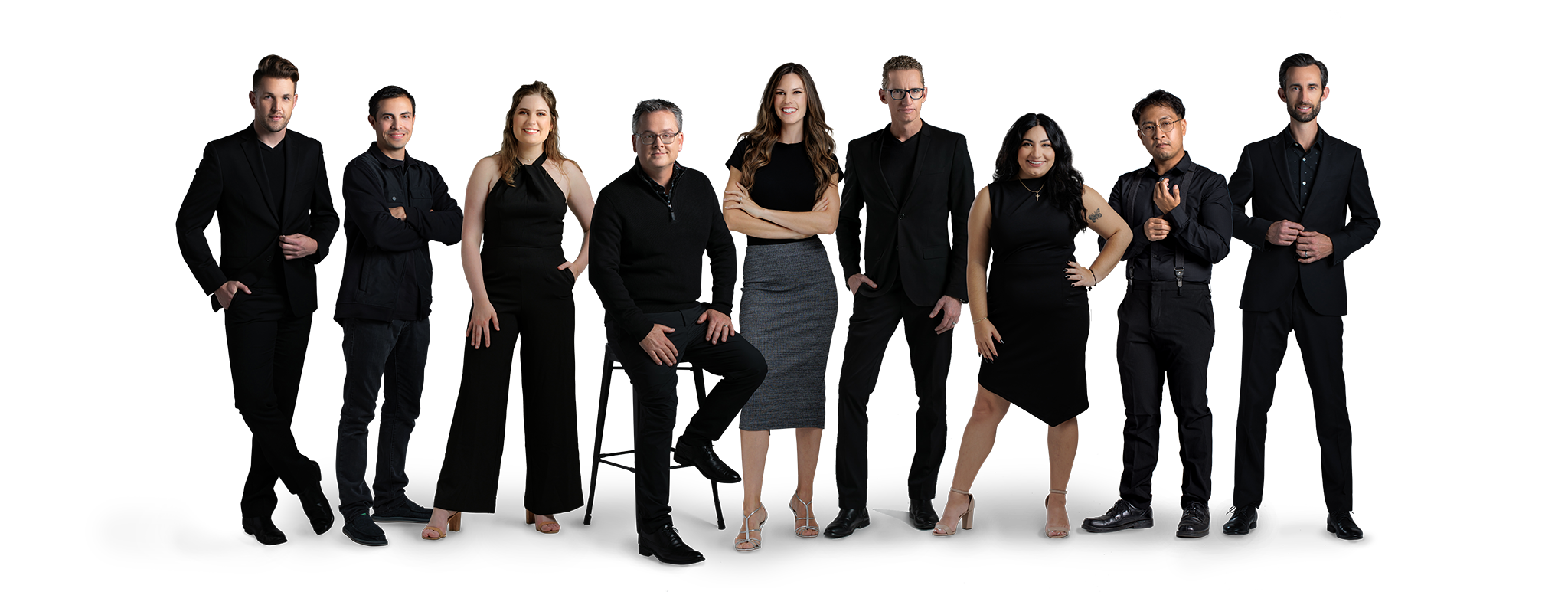
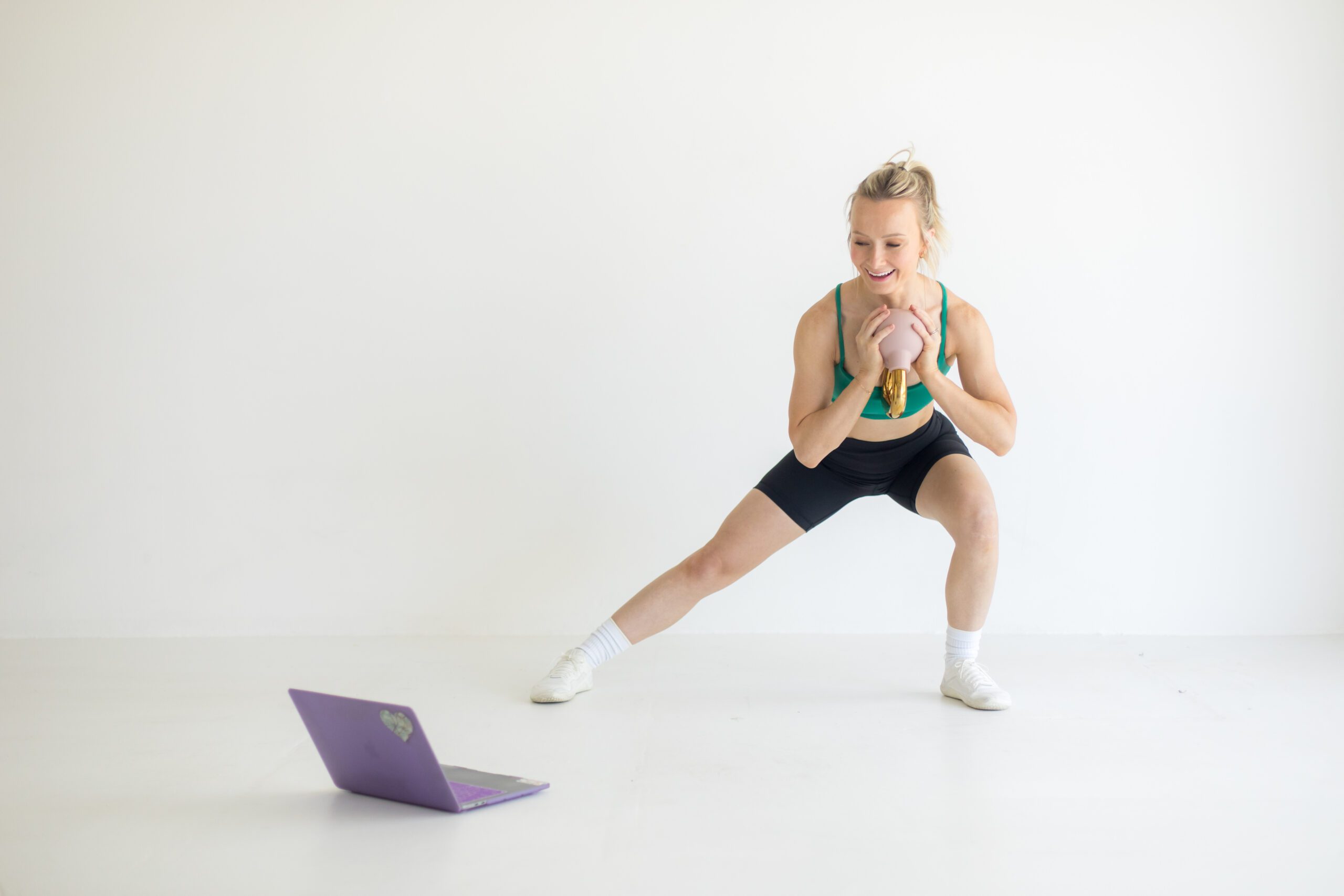
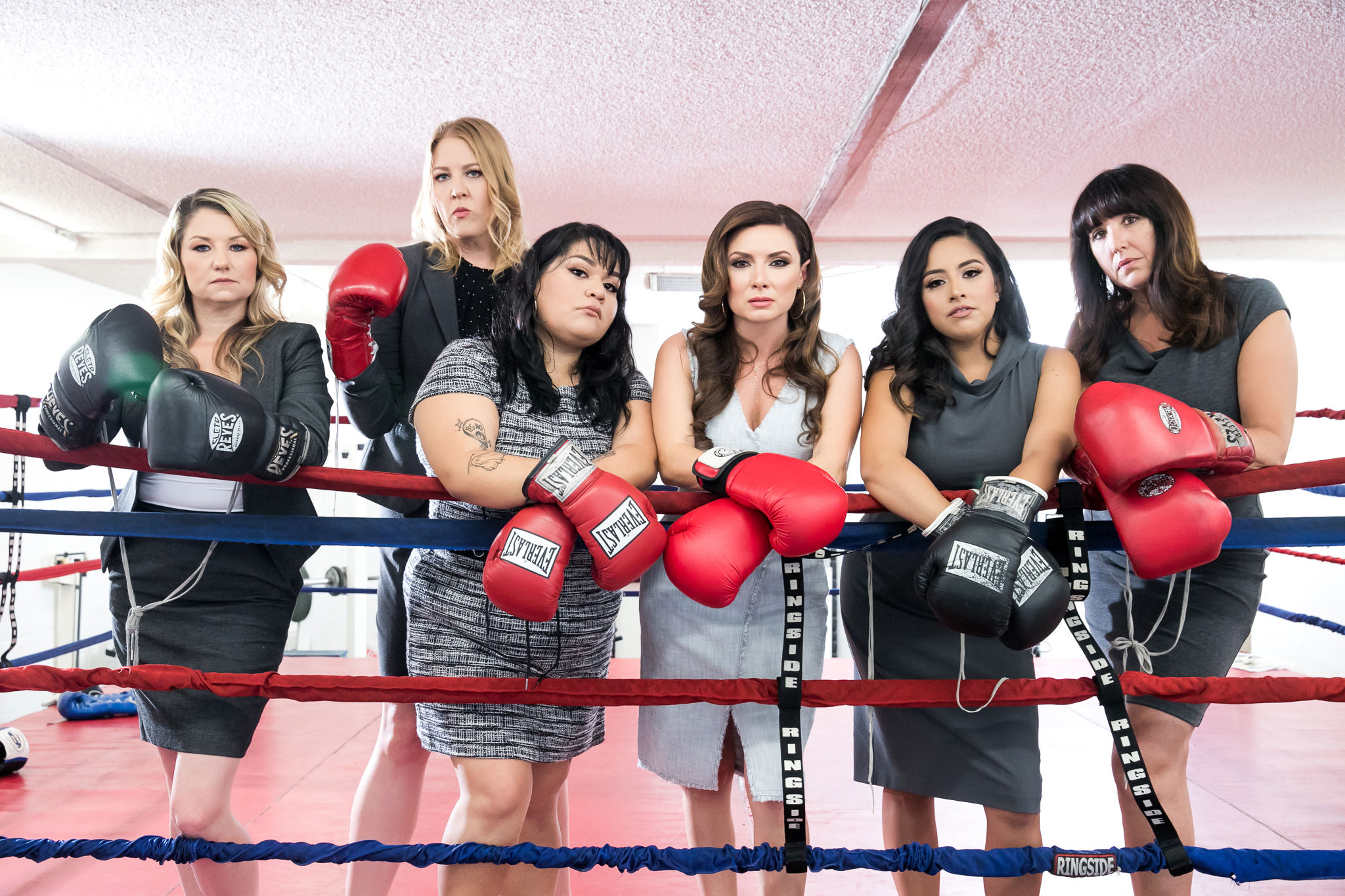
Brand photography is imagery that expresses your brand’s look, feel, people, process, and point of view. It can include founder portraits, team headshots, behind-the-scenes moments, workspace details, tools, textures, client interactions, and lifestyle scenes that show your values in action.
The goal is recognition and trust across your site, social, sales decks, PR, and hiring. A quick way to remember it: commercial answers why buy this now, while brand answers who we are and why we matter.
Where the Legal Lines Sit
How and where you use a photo largely determines the permissions you need to protect your brand. Use this as a planning guide, then confirm the details with your photographer, legal team, or licensing partner before the images go live.
- Commercial vs editorial use: Advertising and promotional campaigns typically require signed model and property releases for any identifiable people or private locations. Industry guidelines emphasize that the intended commercial use, not the method of capturing the photo, triggers these legal requirements.
- Trademarks and logos: Visible third-party marks can create risk in ads if viewers could reasonably think the brand is a sponsor, partner, or source of the offer. Reduce that risk by styling products, wardrobe, props, and backgrounds so logos are absent, incidental, blurred, or cleared before launch.
- Ownership and copyright: Under United States law, the photographer automatically retains initial copyright ownership unless a formal work-made-for-hire agreement or written transfer is signed. Secure a custom license that matches your specific business goals if full ownership is not negotiated.
- Influencer and testimonial content: Social media features and sponsored photos fall squarely under advertising regulations. The Federal Trade Commission expects clear, conspicuous disclosures whenever a material connection or compensation exists.
Creative Direction Differences
Commercial shoots start from a specific offer, CTA, audience, and channel. You reverse‑engineer frames that will stop thumbs and move people to act. Composition, copy space, aspect ratios, and variants mapped to placements matter more than breadth.
Brand shoots start from your identity system and the story you need your audience to recognize across channels. You define tone, lighting, angles, color palette, wardrobe, and environments that repeat across time. You build a consistent library that fits many uses and stays fresh with periodic updates.
| Factor | Commercial Photography | Brand Photography |
| Primary goal | Drive response to an offer | Build recognition and trust |
| Where it lives | Ads, landing pages, product pages, sponsored posts | Website, social templates, PR, hiring, sales decks |
| Creative emphasis | CTA framing, copy space, variants per channel | Cohesive style, authentic moments, repeatable guidelines |
| Talent and releases | Typically requires model/property releases for ads | Often uses employees/customers; releases are still recommended |
| IP and licensing | Usage terms matched to campaign, channel, territory, and duration | Broader marketing-library use, as negotiated in the license |
| Shelf life | Short to medium; changes with offers | Medium to long; refreshed seasonally or yearly |
| Metrics | CTR, CPA, ROAS, add‑to‑cart, signups | Brand recall, time on site, follow growth, press pickup |
| Production cadence | Per campaign, product drop, ad push, or promo calendar | Library build, then seasonal, quarterly, or yearly refreshes |
Planning, Budget, and Deliverables
For commercial work, scope by channel, outcome, and deliverable type. List placements (for example, Amazon PDP, Meta ads, YouTube pre‑roll), required crops and aspect ratios, and the messages you must support. Budget time for variations and testing.
For brand work, scope by storylines that ladder up to values. Build shot lists around people, places, and recurring details. Deliver wide masters, modular crops, and raw selects for future layouts. Include a simple usage matrix in your brief so legal, creative, and growth teams agree on how files can be used.
When to Combine Them
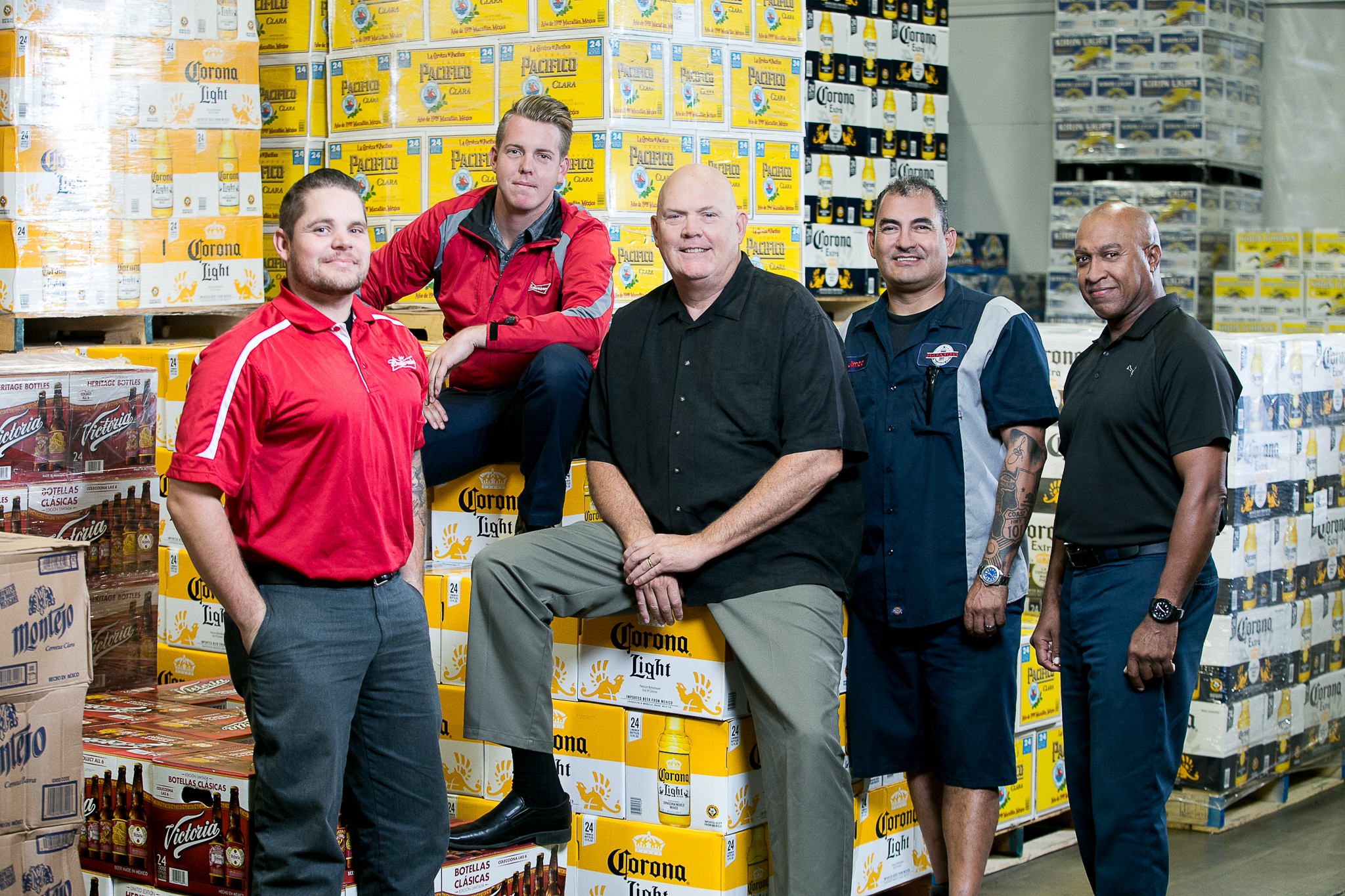
Smart teams schedule a brand library day first, then layer a focused commercial mini‑shoot. The brand day builds evergreen assets. The mini‑shoot creates campaign‑specific hero frames and offers variations that match the library’s look, so everything feels cohesive.
This approach works especially well for growing San Diego and Southern California businesses, refreshing a website while also preparing a product launch, a hiring push, an event recap, or a paid campaign.
A single visual system can support brand photography, headshots, product images, and custom commercial frames without making each channel look like a separate company.
Examples
Real-life scenarios show you exactly what happens when balancing promotional campaigns with creative brand imagery.
SaaS Startup Launch
A B2B SaaS company planned a September product launch. They ran a one‑day brand shoot to capture founder portraits, team collaboration, office textures, and UI screens on devices under consistent lighting.
One week later, they ran a half‑day commercial ad-on for three ad concepts with bold copy space and device mockups sized for LinkedIn and YouTube. The result: a cohesive site refresh plus ad units that met strict aspect ratios and hit CTR targets without visual drift.
DTC Skincare Refresh
An e-commerce skincare brand built a library of morning‑routine lifestyle scenes, macro product pours, and clean backdrops that match its pastel palette. For spring promos, they shot commercial frames focused on a limited‑time bundle with price callouts and clear space for offer stickers.
Paid social used the commercial versions. The blog, email mastheads, and retailer portals leaned on the broader brand set. Customers saw one unified look across channels, and the bundle sold through in two weeks.
Actionable Steps / Checklist
Use this checklist to turn the commercial-versus-brand distinction into a practical shoot plan before any cameras start rolling.
- Clarify the job, whether it’s conversion now, recognition over time, refreshed team presence, product sales, event coverage, or a combination of these.
- Write a one‑page brief with audience, channels, placements, KPIs, and must‑have messages.
- Build a shot list. For commercial, map frames to placements and CTAs; for brand, map to storylines and guidelines.
- Choose the right service mix, such as a brand library, headshots, e-commerce product images, lifestyle product scenes, editorial-style campaign images, event coverage, or a combined shoot.
- Line up model and property releases for identifiable people and private locations. Decide how to handle third‑party logos in the frame.
- Confirm who owns the copyright and what license you get. Specify duration, territory, and channels in writing.
- Prepare assets such as brand palette, typefaces, logo safe areas, sample layouts, campaign messages, product specs, mood board references, and example crops.
- Secure locations, props, wardrobe, and backups that match your look.
- Capture wide masters and a safe space for headlines and overlays.
- Request organized folders, filenames, and a contact sheet with notes on releases and approved uses.
- Measure and learn using A/B-test commercial variants.
- Update the brand library quarterly to fill any gaps you discover.
- Plan the gallery structure, including folders by use case, filenames your team can understand, final file sizes, retouching notes, release status, and approved-use notes.
Glossary
Having these specific terms handy gives you total confidence when reviewing photography contracts and production plans for your shoot.
- Commercial Use: Using images to promote or sell a product, service, or cause, such as ads or sponsored posts.
- Brand Photography: A cohesive set of images that communicates a company’s identity and values across many touchpoints.
- Model Release: A signed permission from an identifiable person allowing specified uses of their likeness, often required for ads.
- Property Release: A signed permission from a property owner to use recognizable private property in commercial imagery.
- Right of Publicity: State‑law rights that protect a person’s name, image, or likeness from unauthorized commercial exploitation.
- Work Made For Hire: A copyright rule under which an employer, or certain commissioning parties under narrow conditions, may be considered the legal author. A paid photography commission is not automatically a work made for hire.
- License: Written permission that spells out how, where, and for how long you can use images.
- Likelihood of Confusion: A trademark standard that asks whether consumers would mistakenly think there is sponsorship or a common source.
FAQ
Q: Do I always need a model release for brand photos?
A: If the use is promotional or advertising and a person is identifiable, a release is generally expected. Rules vary by state, so treat releases as standard practice for marketing uses.
Q: Can I show other companies’ logos in my ads?
A: Be careful. If your use could imply endorsement or sponsorship, you risk trademark issues. Avoid or clear any visible marks in promotional imagery.
Q: Who owns the photos from my shoot?
A: By default, the photographer generally owns the copyright unless the work qualifies as a valid work made for hire or the photographer signs a written copyright transfer. Most business clients receive a license that explains how, where, and for how long they can use the images.
Q: What is the difference between commercial and editorial in stock photos?
A: In stock photography, commercial-use images are licensed for promotional contexts when the needed releases and clearances are in place. Meanwhile, editorial-only images are generally intended for news, public-interest, or informational uses and usually are not cleared for advertising, endorsements, or product promotion.
Q: How do influencers’ photos fit in?
A: If there’s payment or a material connection, disclosures must be clear and conspicuous under the FTC’s Endorsement Guides. Additionally, releases and licensing still apply.
Final Thoughts
You don’t have to choose between commercial and brand photography. Start with a flexible brand library that feels consistent across your website, social media, sales decks, press materials, recruiting content, and everyday marketing. Then add focused commercial sets for product launches, ads, listings, seasonal campaigns, or event-driven promotions.
For businesses in San Diego and across Southern California, Bauman Photographers can connect those pieces through creative direction, studio or location planning, product styling, retouching, and licensed final images. With our commercial and branding photography services, every touchpoint feels connected, without having to start from scratch each time.