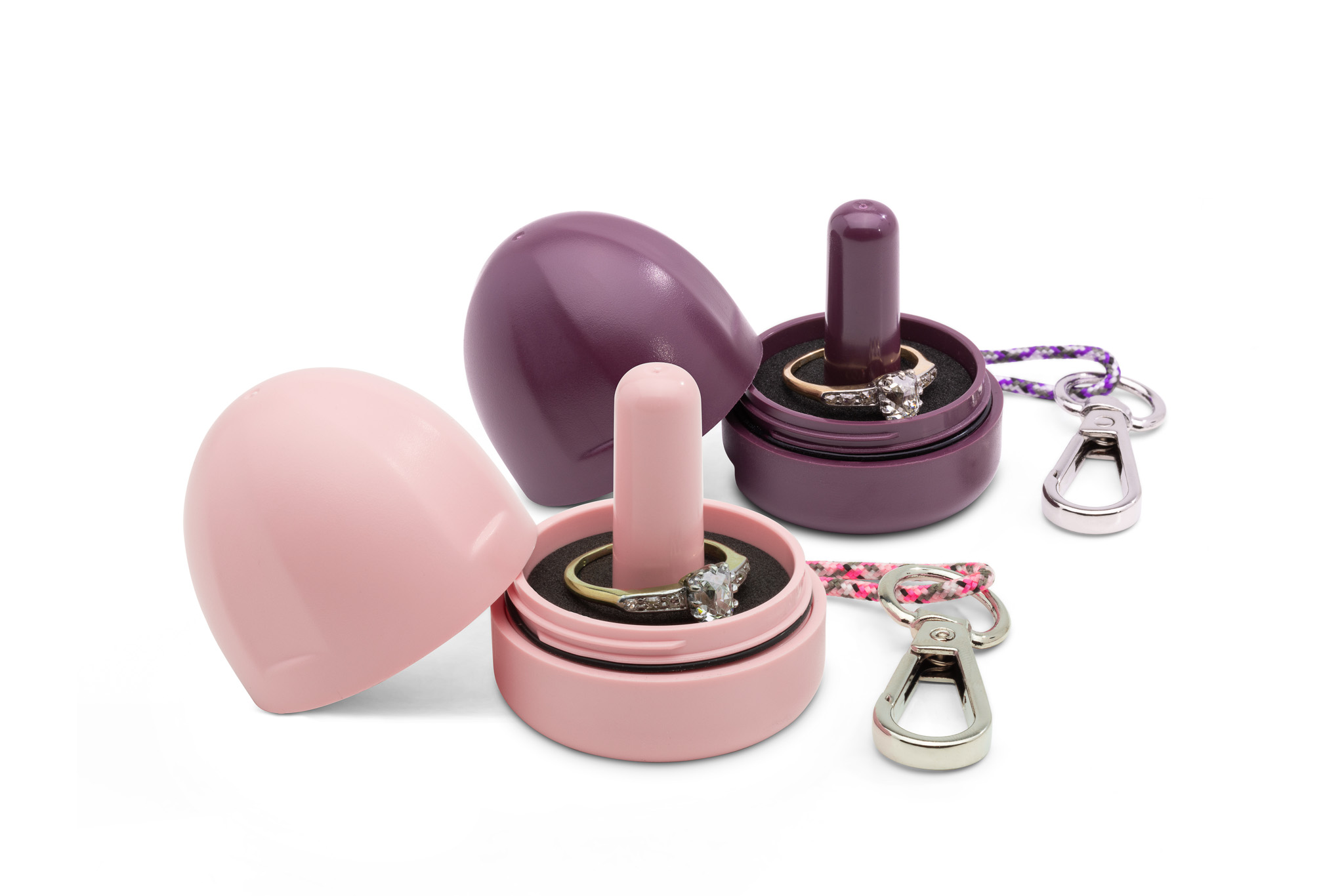
Jewelry is small, shiny, and unforgiving. Photographing it well takes precision lighting, careful styling, and time in post-production. That is why rates differ so widely and why clear scoping matters before you book a shoot.
Are you managing a growing jewelry brand or creating one-of-a-kind pieces? Understanding these cost factors helps you build a realistic shoot budget and choose the right mix of e-commerce, editorial, or lifestyle images.
Below you will find straightforward pricing patterns, what changes the quote, rights and licensing in plain English, and practical steps to cut waste without cutting quality.
TL;DR
- Most e-commerce jewelry photography is priced per finished image, while styled lifestyle and campaign work is more often priced by the hour, half day, full day, or project.
- Complexity, retouching, and licensing terms drive price more than camera gear.
- Expect add‑ons for advanced retouching, stylist, model fees, rush, and special color accuracy.
- Get the scope in writing, including the deliverables, usage license, timeline, approvals, and reshoot terms.
How Much Does Jewelry Photography Cost?
There’s no single industry tariff, although most jewelry product photography quotes tend to cluster by need:
- Simple e-commerce jewelry photography is commonly priced per finished image, with rates varying based on volume, backdrop requirements, product complexity, and the amount of retouching involved.
- Styled product sets, lifestyle scenes, or macro hero shots are commonly quoted as a day rate or fixed project fee. Totals typically run into the low four figures, and up once you add props, set time, and advanced retouching.
- Model and campaign shoots can involve additional costs for talent, styling, hair and makeup, production support, props, or locations. Depending on the scope, a full-day creative shoot can reach several thousand dollars before outside production expenses are added.
Minimum project charges can matter just as much as the per-image rate on smaller shoots. Bauman Photographers currently has a $450 minimum order for e-commerce product photography, so a small batch may not simply equal the listed per-image rate multiplied by the number of images.
What Drives the Price
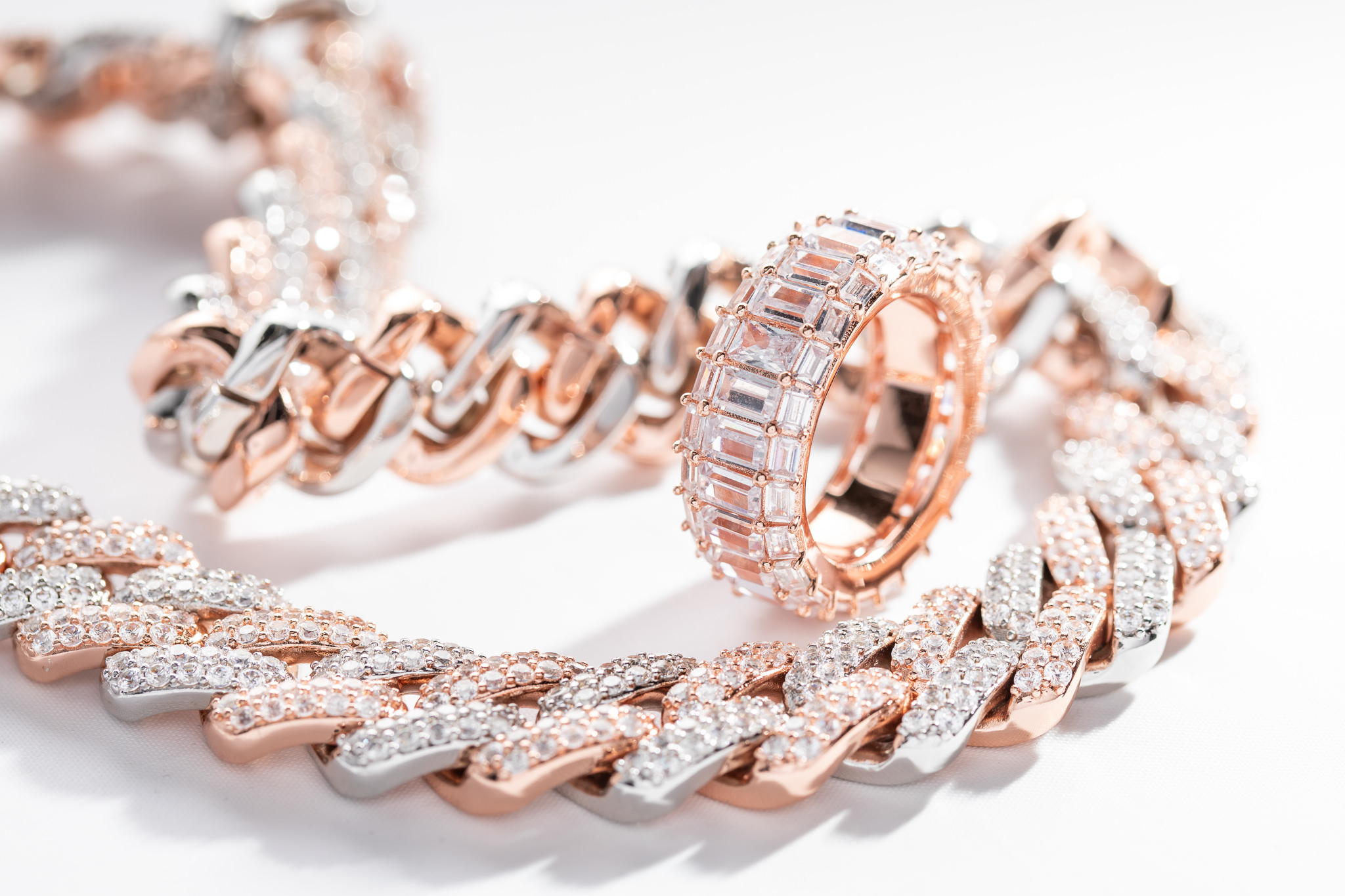
Every sparkling piece of jewelry demands specialized handling, controlled lighting, and meticulous focus to showcase its true brilliance on camera. Understanding these variables makes it easier to compare quotes and decide where additional production or retouching will make the greatest difference in your final images.
1) Complexity of the Pieces
High‑polish metals, mixed finishes, pavé or large gemstones, and transparent elements need extra lighting control, dust removal, and focus stacking (combining multiple focus points for sharpness). That adds capture and retouching time.
2) Shot Count and Variations
Single angle per SKU is fast. Multiple angles, scale references, groupings, and video loops raise time on set and in post. More shots often lower the per‑image price while raising the project total.
3) Styling, Sets, and Props
Clean on white is efficient. Styled surfaces, acrylic risers, mirrors, textured backdrops, and liquids look premium but require scouting, testing, and cleanup. Once a shoot moves beyond repeatable catalog imagery into a styled or lifestyle concept, it may make more sense to price the production by time rather than by individual image.
4) Color Accuracy Requirements
If your brand needs tight color matching for metals and stones, plan for a color‑managed workflow and proofing using ICC profiles (device color descriptions) and calibrated monitors. This can require extra setup and checks to ensure consistent output across web and print.
5) Retouching Depth
Basic cleanup handles dust, specular hotspots, and edges. Advanced retouching covers gem enhancement, reflection rebuilds, compositing, and pathing for perfect cutouts. The deeper the polish, the longer it takes.
6) Timeline and Logistics
Rush schedules, off-site locations, secure transport for high-value pieces, insurance requirements, and shipping can all affect the quote. Travel and mileage may be billed at the current IRS business rate.
Pricing Models Compared
Different types of work can use different pricing models even within the same studio. Comparing these structures allows you to select a payment arrangement that fits your launch timeline and keeps production costs predictable.
| Model | How You Pay | Best For | Pros | Cons |
| Per Image | Flat fee per delivered photo | High‑volume e‑commerce with consistent specs | Easy to budget; rewards efficient workflows | Can incentivize speed over craft if specs are vague |
| Day Rate | Daily fee for photographer (and often crew) | Styled sets, tests, or variable creative | Flexibility; room for exploration | Final image count can vary; needs tight schedule |
| Project Fee | One price for scope, often with milestone payments | Campaigns and mixed deliverables | Predictable total; aligns team on outcomes | Requires detailed scoping up front |
| Retainer | Monthly package of hours or images | Brands with ongoing launches | Priority access; blended savings | Unused hours may not roll over; needs planning |
Use the model that matches your deliverables and approval process. Per‑image works when specs are strict; day or project rates suit creative builds and teams.
What Is Included and What Is Extra
What is included varies by photographer, so compare quotes based on deliverables rather than the shoot fee alone. Across the industry, a product photography quote may include:
- Pre‑production call, shot list review, and basic test.
- Studio time, capture, and light product prep.
- Standard color correction and routine image cleanup, depending on the photographer’s package.
- Web‑ready JPEGs at agreed sizes.
Depending on the photographer and project, additional costs may include:
- Custom compositing, extensive image manipulation, or other specialized post-production beyond the retouching included with your final selections.
- Clipping paths, layered TIFF/PSD masters, or RAW file transfer.
- Props, surfaces, set build, and product styling.
- Models, hair and makeup, and usage fees.
- Rush delivery, reshoots due to scope changes, and overtime.
- On‑location permits, insurance certificates, and specialized shipping.
Get each add‑on priced before the shoot. Small assumptions become big invoices. For our clients, retouching of final selections is included, so confirm separately only if your project requires more extensive compositing or specialized image manipulation.
Our standard e-commerce photography includes basic retouching, while more specialized requests such as custom retouching, clipping paths, color masking, or ghost mannequin work are priced separately.
Jewelry Photography Licensing and Rights
Photo licensing determines where, how, and for how long your brand can display final images across marketing channels. Clarifying usage terms early protects your creative assets and ensures your imagery can feature seamlessly in everything from San Diego e-commerce stores to national print ads.
- Who owns the photos: In the U.S., the photographer is usually the copyright owner the moment the image is created. Clients typically receive a license that grants defined usage. Work for hire is a legal exception that applies only in specific employment or commissioned categories and must be agreed in writing.
- Why licensing affects cost: Broader use (paid ads vs. organic social), longer terms, larger geographies, and exclusivity raise the fee. They limit the creator’s ability to relicense similar work and reflect the image’s commercial value.
- What to confirm before hiring a photographer: Make sure the agreement clearly states where and how you can use the finished images. While licensing structures vary across the industry, we include finished-image licensing with our product photography services.
- Model and property releases: If people or certain identifiable properties appear in the shoot, confirm during pre-production who will be responsible for any necessary releases.
Rules vary by jurisdiction and project. When in doubt, ask for a clear license clause in the estimate and final agreement.
Hidden or Variable Costs to Watch
Your quote may change if the shoot later requires extra travel, secure transportation for high-value jewelry, additional images, major styling changes, or work outside the original scope. Identifying those needs early makes it easier to keep your budget predictable.
Spotting these potential add-ons in advance gives you complete control over your campaign investments from start to finish.
- Travel and mileage: Off-site shoots, product pickups, or other travel may add transportation costs, depending on the photographer’s travel policy and the location involved.
- Rush delivery: Faster turnaround can carry a significant premium. We add 50% of the order total for e-commerce delivery in 3 to 10 business days and 100% for a 48-hour turnaround.
- Approvals and reshoots: Ask when you will review test images or proofs, and make sure the agreement explains what happens if you request changes after the approved direction is established.
- Security and insurance: High‑value pieces may require additional coverage or a bonded courier. Budget for it up front.
Examples
These examples show how different client needs can change the structure and overall cost of a jewelry photography project.
Volume E‑Commerce Refresh
A mid‑market DTC brand needs 80 SKUs shot on white, two angles each, with modest retouching. The photographer proposes a per‑image rate with a volume break, includes a half‑day test, and estimates three shoot days plus two days of retouching.
The license covers web, marketplaces, organic social, and email in perpetuity. With props minimal and no rush, the all‑in budget stays efficient and the per‑image average drops thanks to repeatable lighting and a tight shot list.
Premium Hero Campaign
A fine‑jewelry label wants three macro hero images and two lifestyle scenes with a hand model. The shoot uses a hand model, styled surfaces, and detailed macro setups, with additional production resources chosen according to the creative concept.
Depending on the photographer, the quote could account for crew, models, styling, specialized retouching, location needs, and image-usage terms. Model and stylist fees, plus color‑managed proofing to align metal tones, push the project into the mid‑four‑figure range, which fits the brand’s campaign goals and media plan.
Actionable Steps / Checklist
A clear brief helps you receive a more accurate quote. It gives our jewelry product photography team the information needed to plan lighting, angles, styling, and post-production around your jewelry.
- Define deliverables: Coordinate with the photographer on the number of SKUs, angles, hero shots, file sizes, and deadlines.
- Understand how the project is priced: Ask whether your quote is based on final images, shoot time, or the overall project scope so you can compare estimates accurately.
- Lock specs: Clarify with the photographer the backgrounds, props, styling notes, retouching level, color accuracy needs, and naming conventions.
- Confirm image usage: Tell the photographer where the images will appear and review the licensing terms included in the agreement.
- Approve the look early: Confirm the lighting, backgrounds, angles, and overall treatment before full production begins.
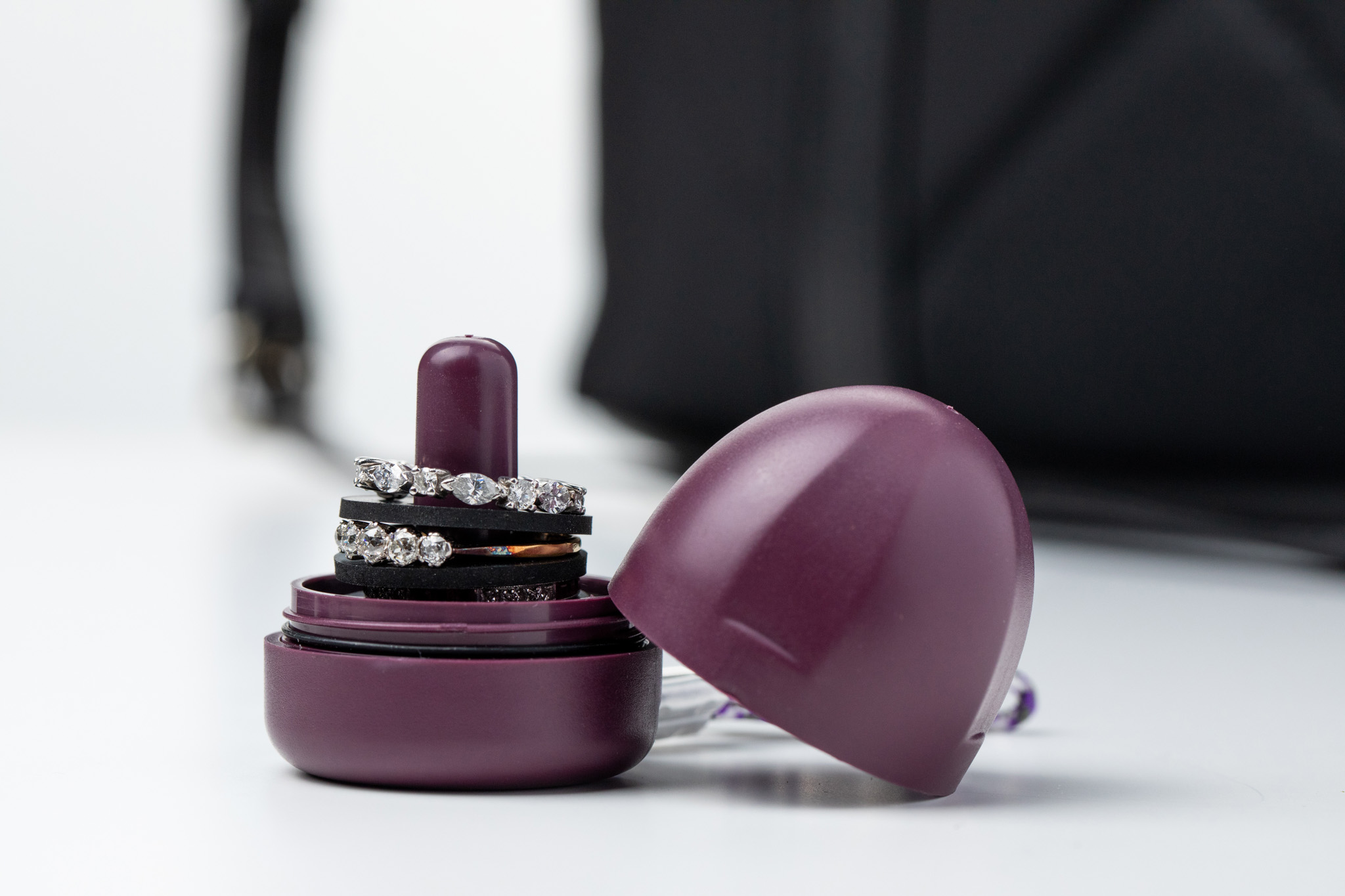
- Prepare your jewelry for the shoot: Clean and label each piece, organize products by collection or finish, and include an inventory list and return instructions if you are shipping them to the studio.
- Set feedback windows: Designate one approver and deadline for notes to avoid delays and overtime.
- Confirm logistics: Determine studio vs. on‑site, security for valuables, insurance certificates, and travel terms.
Glossary
Quick definitions remove the guesswork so you can communicate your vision with confidence during every creative review.
- Per‑Image Rate: A flat fee for each final delivered photo.
- Day Rate: A fee for a full or half day of shooting time, often excluding retouching and expenses.
- Usage License: Written permission describing where, how long, and how widely you can use the images.
- Work For Hire: A narrow legal category where the hiring party is the author; it requires specific conditions and a written agreement.
- Focus Stacking: Merging multiple frames shot at different focus points to achieve full sharpness.
- Clipping Path: A precise outline used to cut the product from its background for clean edges.
- ICC Profile: A standardized file that describes how a device reproduces color for consistent output.
- Tethered Capture: Shooting with the camera connected to a computer for live review and quality control.
FAQ
Q: How many finished photos can I expect per day?
A: Throughput varies with complexity. For plain e‑commerce on white, efficient teams often capture dozens per day, while styled or macro hero work may yield only a handful.
Q: Do I have to pay licensing if photos are only for my website?
A: You still need permission to use professional photographs, but how that permission is structured varies by photographer. Our services include finished-image licensing with our product photography services, so review the agreement to understand the exact terms that apply to your project.
Q: Can I get the RAW files?
A: RAW files are usually not delivered because they are unfinished and part of the photographer’s workflow. Our standard product deliverables are finalized digital JPGs in the necessary sizing or formats. If your internal team needs RAW, PSD, TIFF, or another working-file format, specify that requirement when the project is scoped.
Q: How can I keep costs down without sacrificing quality?
A: To manage costs without sacrificing image quality, finalize your shot list early, group similar pieces together, and approve the visual direction before full production. It also helps to consolidate feedback through one decision-maker and avoid adding new deliverables after the shoot begins.
Q: Does jewelry usually cost more to photograph than a simple product? A: Photographing jewelry can cost more than simple products. Reflective metals, gemstones, tiny details, and limited depth of field may require more precise lighting, capture techniques, cleanup, and retouching.
Final Thoughts
Jewelry photography rates become much easier to evaluate once you know your image count, background requirements, styling direction, retouching needs, turnaround, and final file requirements. Published rates can give you a starting point, but those details determine what the finished project will actually cost.
Once you have your SKU count, image needs, styling direction, and deadline, Bauman Photographers can translate that brief into a custom production plan for e-commerce, editorial, or lifestyle photography in its San Diego studio or on location.